
Yes, dark spots on the face can absolutely be removed, and in many cases faded significantly or eliminated entirely with the right approach. Whether you choose topical treatments, lifestyle changes, or clinical procedures, getting rid of dark spots is an achievable goal for the vast majority of my patients.
Dark spots medically referred to as hyperpigmentation arise when certain areas of the skin produce more melanin than usual, leading to patches that appear darker than the surrounding skin. They are among the most common dermatological concerns I see in my clinic daily, affecting people across all skin tones and age groups.
The good news is that the skin is a dynamic, renewing organ, with consistent and targeted care, those stubborn patches can be reduced or removed over time. The journey to clearer skin begins with understanding why those spots appear in the first place. Once the root cause is addressed, the path to fading dark spots becomes far more straightforward and effective.
According to the American Academy of Dermatology (AAD), hyperpigmentation affects an estimated 5 million people in the United States alone, with post-inflammatory hyperpigmentation and melasma being the two most frequently diagnosed forms. Globally, darker skin phototypes (Fitzpatrick types IV–VI) are disproportionately affected, making this a particularly important issue across South Asian populations, including here in the Punjab region.
Before diving into the solutions, it is essential to understand the biology driving these spots. In the sections that follow, I will walk you through the main causes of dark spots on the face, explain how melanin overproduction works, outline evidence-based strategies to control it, and finally detail the full spectrum of treatments , from natural home remedies to advanced clinical interventions , so you have a complete roadmap to clearer, more even-toned skin.
What Are the Causes of Dark Spots on the Face?
Dark spots on the face are caused by an uneven or excessive production of melanin, the natural pigment that gives skin, hair, and eyes their colour.
Melanin is synthesized by specialised skin cells called melanocytes, located in the basal layer of the epidermis. Under normal conditions, melanocytes produce a controlled amount of melanin that is evenly distributed across the skin. However, several triggers can disrupt this balance:
• Sun exposure (UV radiation): Prolonged or unprotected exposure to ultraviolet rays is the single most common cause of dark spots, often referred to as sunspots or solar lentigines. UV rays stimulate melanocytes into overdrive as a protective response, leading to localised darkening.
• Post-inflammatory hyperpigmentation (PIH): Any form of skin injury or inflammation acne, eczema, a cut, or even an insect bite can trigger excess melanin production during the healing process, leaving behind dark marks long after the wound has healed.
• Melasma: A hormone-driven condition frequently seen in women during pregnancy or while using oral contraceptives. Melasma produces symmetrical, blotchy patches, particularly on the cheeks, forehead, and upper lip.
• Ageing: With advancing age, melanocyte distribution becomes irregular, leading to age spots (liver spots) in areas that have had the most sun exposure over the decades.
• Certain medications: Drugs such as tetracyclines, antimalarials, and some chemotherapy agents can cause drug-induced hyperpigmentation as a side effect.
• Hormonal imbalances: Thyroid disorders and adrenal conditions can disturb the hormonal signals that regulate melanin output.

The Central Role of Melanin and the Tyrosinase Enzyme
At the biochemical level, melanin synthesis is governed by a key enzyme called tyrosinase. Tyrosinase catalyses the conversion of the amino acid tyrosine into DOPA and subsequently into dopaquinone, which eventually polymerises into melanin.
When melanocytes are overstimulated by UV light, inflammation, or hormonal signals the tyrosinase becomes hyperactive, producing far more melanin than the skin needs. This excess melanin accumulates in keratinocytes (the skin’s surface cells), creating the dark patches we see.
Understanding this mechanism is important because many of the most effective treatments for dark spots work specifically by inhibiting tyrosinase activity , essentially switching off the enzyme that drives the overproduction.
Since excessive melanin production sits at the very heart of dark spot formation, controlling and reducing this overproduction of melanin is one of the most important steps you can take toward achieving an even skin tone. The next section explains exactly how to do that.
How to Stop Excessive Melanin Production on the Face
The most effective way to stop excessive melanin production is to address its triggers directly primarily by protecting the skin from UV radiation, using proven melanin-inhibiting ingredients, and making targeted lifestyle adjustments.
Here is what the evidence says, and what I recommend to my patients at Amcare Hospital:
1. Broad-Spectrum Sunscreen
Sunscreen is not merely a cosmetic step , it is a therapeutic one. UV radiation directly activates tyrosinase and stimulates melanocyte proliferation.
Applying a broad-spectrum SPF 30 or higher every morning (and reapplying every two hours when outdoors) is the single most powerful intervention to prevent new spots from forming and to stop existing ones from darkening further.
I cannot overstate this: without sun protection, no other treatment will work to its full potential.
2. Topical Melanin-Inhibiting Agents
A number of well-researched active ingredients work at the cellular level to reduce dark spots by inhibiting tyrosinase or by accelerating the turnover of pigmented skin cells:
• Vitamin C (L-ascorbic acid): A potent antioxidant that interferes with melanin synthesis by reducing oxidised dopaquinone back to DOPA, effectively interrupting the pigmentation cascade. Concentrations of 10–20% in a stable serum formulation can visibly fade dark spots within 8–12 weeks.
• Niacinamide (Vitamin B3): Reduces the transfer of melanin from melanocytes to keratinocytes without interfering with melanin synthesis itself. Clinical studies show 5% niacinamide significantly reduces hyperpigmentation with excellent tolerability.
• Kojic acid and Alpha Arbutin: Natural tyrosinase inhibitors derived from fungi and bearberry plants, respectively. Both are gentler alternatives to hydroquinone with strong real-world efficacy.
• Retinoids (Retinol/Tretinoin): Accelerate cell turnover, helping the skin shed pigmented cells faster and replace them with evenly-toned new cells. Prescription tretinoin is the gold standard in this category.
• Azelaic Acid: Selectively toxic to abnormally hyperactive melanocytes, making it particularly useful for post-acne dark spots and melasma. It also has anti-inflammatory properties that prevent PIH formation.
3. Hormonal and Medication Management
If your dark spots are hormonally driven – as is often the case with melasma- simply applying topical agents may only partially resolve the issue. In my clinic, I assess patients for underlying hormonal imbalances and, where relevant, work alongside gynaecologists or endocrinologists to address root causes.
Switching contraception types or managing thyroid function can lead to remarkable improvements in skin tone that topical agents alone cannot achieve.
How to Remove Dark Spots on the Face
You can remove or significantly reduce dark spots on the face through a structured, layered approach that combines daily protective habits, targeted skincare activities, a pigment-friendly diet, and for stubborn cases the professional clinical treatments are needed.
Daily Habits and Protective Measures
Consistency is everything in treating hyperpigmentation. My standard recommendations for all patients looking to get rid of dark spots naturally and effectively include:
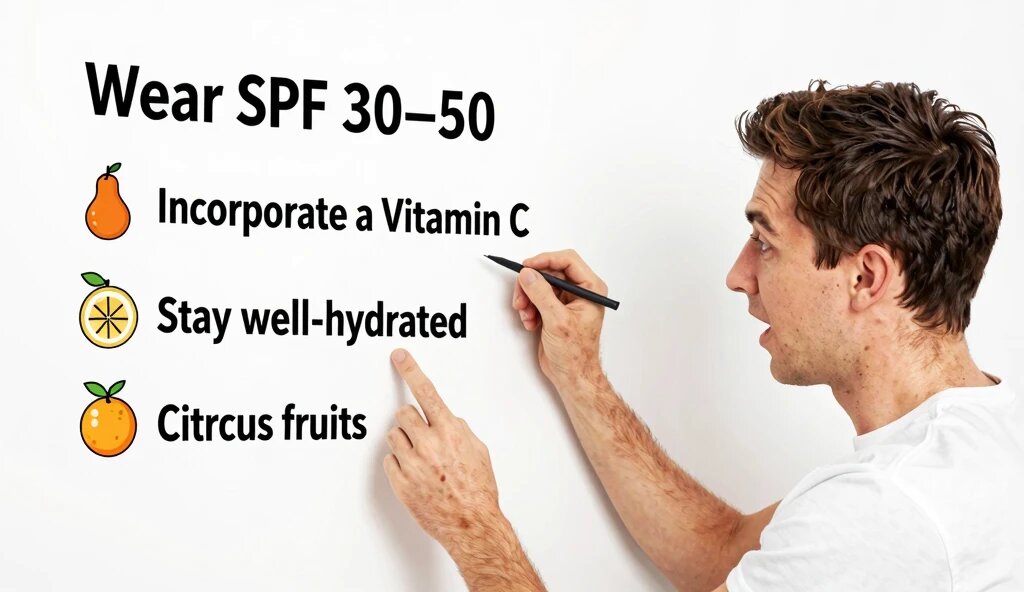
• Wear SPF 30–50 broad-spectrum sunscreen every single day, rain or shine. UV rays penetrate clouds and glass.
• Never pick or squeeze acne, blemishes, or insect bites.
• Use a gentle, non-stripping cleanser. Over-cleansing inflames the skin, triggering the same PIH pathways.
• Incorporate a Vitamin C serum in your morning routine and a retinoid or AHA exfoliant in your evening routine.
• Wear protective clothing, wide-brimmed hats, and seek shade during peak UV hours (10 a.m. to 4 p.m.).
• Stay well-hydrated and maintain a consistent sleep schedule, the skin’s repair cycle peaks during deep sleep.
Foods That Help Fade Dark Spots
Diet plays a meaningful role in skin health and pigmentation. Antioxidant-rich foods protect melanocytes from oxidative stress which is one of the key upstream triggers of melanin overproduction. I advise my patients to include the following in their daily meals:
• Citrus fruits (oranges, lemons, amla/Indian gooseberry): Rich in Vitamin C, which inhibits melanin synthesis at the enzymatic level. Amla is particularly potent and widely available in our region.
• Tomatoes: Contain lycopene, a powerful antioxidant that protects against UV-induced oxidative damage and supports skin repair.
• Leafy greens (spinach, kale, methi): Provide folate and Vitamin E, both essential for healthy cell turnover and skin regeneration.
• Berries (strawberries, blueberries): Packed with ellagic acid, which has been shown to inhibit tyrosinase activity and reduce UV-induced pigmentation.
• Nuts and seeds (almonds, sunflower seeds): Excellent sources of Vitamin E, which protects cell membranes from UV and inflammatory damage.
• Green tea: Contains EGCG (epigallocatechin gallate), which directly suppresses melanin synthesis and reduces inflammation that triggers PIH.
• Fatty fish (salmon, mackerel): Rich in omega-3 fatty acids that reduce inflammatory cytokines, preventing the inflammation that leads to post-inflammatory dark spots.
Stubborn Dark Spots: When Measures Are Not Enough
Despite diligent home care and dietary changes, some dark spots , particularly deep-seated melasma, long-standing solar lentigines, or severe post-inflammatory hyperpigmentation may resist natural remedies.
This is not a failure; it simply means the pigmentation is located in deeper layers of the skin (dermal hyperpigmentation) where topical agents penetrate less effectively. In these cases, professional dermatological treatments offer significantly faster and more complete results:
• Chemical Peels (Glycolic, Salicylic, Mandelic, Lactic Acid): Controlled exfoliation that removes layers of pigmented cells and stimulates fresh, evenly-toned skin renewal. Superficial peels are ideal for epidermal pigmentation; medium-depth peels address more stubborn spots.
• Laser Treatments (Q-switched Nd:YAG, Fractional CO2): Lasers target melanin with selective photothermolysis, breaking up pigment deposits without damaging surrounding tissue. The Q-switched Nd:YAG laser is particularly well-suited for darker South Asian skin tones.
• Intense Pulsed Light (IPL) Therapy: Broad-spectrum light that targets melanin in sunspots and solar lentigines. Best suited for fair to medium skin tones.
• Microneedling with Tranexamic Acid: Creates controlled micro-injuries that stimulate collagen production while delivering tranexamic acid ( one of the most evidence-backed anti-pigmentation agents) – directly into the dermis.
• Prescription Topicals (Hydroquinone, Tretinoin, Topical Steroids – Triple Combination Therapy): Under medical supervision, this combination remains one of the most effective formulations for melasma and stubborn hyperpigmentation.
At Amcare Hospital Zirakpur, we offer a full range of these treatments, tailored individually based on skin type, depth of pigmentation, and patient goals. If your dark spots are not responding to home-based measures after 8–12 weeks of consistent use.
I strongly encourage you to book a consultation rather than continuing to experiment. The right treatment, correctly administered, can deliver results in a fraction of the time.
Summary: Key Takeaways from Dr. Manu
• Yes, dark spots on the face can be removed , through a consistent, well-structured regimen of sun protection, proven topical activities, a melanin-friendly diet, and professional treatments when needed.
• The root cause is always excess melanin, driven by UV exposure, inflammation, hormones, ageing, or a combination of these factors.
• Tyrosinase inhibition is the key biochemical strategy , many of the most effective ingredients (Vitamin C, kojic acid, alpha arbutin, niacinamide) work precisely by blocking this enzyme.
• Sun protection is the foundation. Without it, no treatment can work to its full potential.
• For stubborn dark spots that do not respond to home care after 8–12 weeks, professional clinical interventions , peels, lasers, or prescription topicals are safe, effective, and available.
• Diet matters: antioxidant-rich foods (amla, berries, citrus, green tea) provide internal protection against the oxidative stress that fuels hyperpigmentation.
• Always consult a qualified dermatologist for a personalized diagnosis. Not all dark spots are the same, and treatment must be matched to the specific type and depth of pigmentation.
Written By Dr. Manu Leading Dermatologist | AMCARE HOSPITAL, ZIRAKPUR | Department of Dermatology
Published: May 15 , 2026