Gastrointestinal problems are issues with the digestive system. This system includes the esophagus, stomach, and intestines. It also involves the muscles and chemicals, like enzymes and acids, made in the stomach. This elaborate system digests food, absorbs nutrients, and expels waste.
The digestive system consists of the mouth, esophagus, stomach, small intestine, large intestine, rectum and anus. Other organs such as the pancreas, liver, and gallbladder are important, too.
When any part of this system malfunctions, it can cause pain and interfere with daily life. The effects can vary. They may include mild symptoms such as gas and bloating. In more serious cases, they can lead to conditions like ulcerative colitis, celiac disease, and peptic ulcers.
Folk might have a chronic or acute health condition and need to see a doctor. It is important to spot these symptoms early and start the appropriate gastrointestinal problems treatment to prevent any complications.

Types of Gastrointestinal Problems
A clear picture of the types of gastrointestinal problems is conducive to the right therapy. Structurally and functionally, they can be divided into:
1. Functional GI Disorders
No structural problems are associated with these disorders. On the contrary, the digestive system looks fine, but actually it does not function properly.
- Irritable Bowel Syndrome (IBS):t is one of the most common of the functional GI disorders. It can block bowel movements and cause symptoms like bloating, stomach pain, constipation, and diarrhea.
- Functional Dyspepsia causes chronic or repeated epigastric pain or discomfort, but doctors cannot identify an underlying cause. Often caused by stress or weak digestion.
- Gastroparesis: stomach that empties too slowly, causing bloating, nausea, indigestion.
2. Structural GI Disorders
Structural GI Disorders can be observed or detected in the GI tract:
- Gastroesophageal Reflux Disease (GERD), also known as acid reflux, is a condition. In this condition, stomach acid flows back into the esophagus. This backflow causes a burning feeling in the chest.
- Peptic Ulcers: These are sores in the lining of the stomach or the top of the small intestine. They can be painful and are often caused by an infection. pylori bacterial infection) or by an overuse of NSAIDs.
- Celiac Disease: An autoimmune response to gluten resulting in damage to the lining of the small intestine.
- Ulcerative Colitis: A form of IBD that causes inflammation and ulcers in the colon.
- Diverticulitis: Inflammation of small bulging sacs or pouches in the wall of the intestines, accompanied by abdominal pain, fever and a change in bowel function.
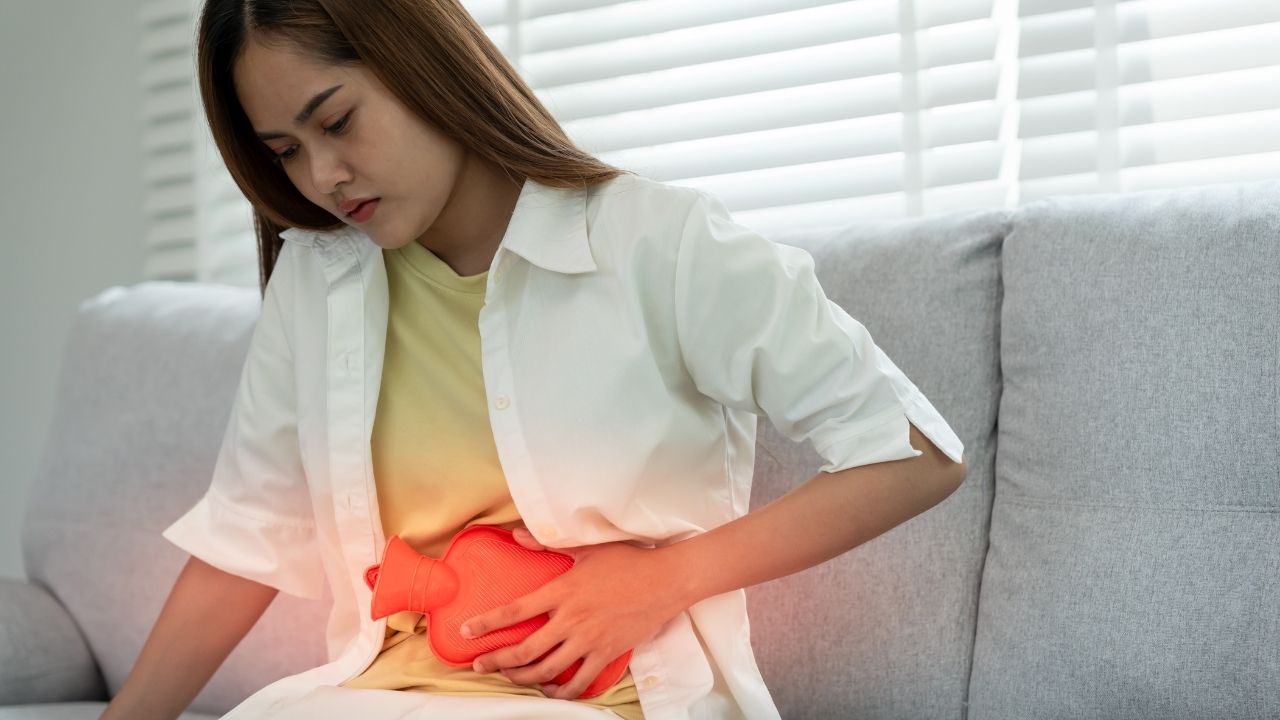
Causes of Gastrointestinal Problems
1. Dietary Factors
If you eat junk food, sugary snacks, and oily meals with little fiber, it can harm your digestion. This may lead to problems like indigestion, constipation, and acid reflux.
2. Infections
Infections from bacteria, viruses, or parasites can make the lining of the GI tract inflamed. This can cause symptoms like diarrhea, vomiting, and fever. The common villains are E. coli, Salmonella and Helicobacter pylori.
3. Food Allergies and Intolerances
Food sensitivities, toward lactate or gluten, can result in bloating, gas and long-term discomfort, especially for anyone with celiac disease or IBS.
4. Medications
Certain medications, including NSAIDs and antibiotics, may damage the stomach lining and the gut microbiome, disrupting digestion.
5. Chronic Diseases
Immune/autoimmune states, diabetes, thyroid, and neurological conditions can all disrupt digestion.
6. Stress and Emotional Factors
Stress plays a role in gut motility and can escalate functional (GI) issues.

What Are Symptoms of Gastrointestinal Problems?
Most GI problems have symptoms that can be quite general and may be similar among different GI disorders. These symptoms can be sporadic or permanent and may change depending on the underlying cause.
Common Symptoms Include:
- Abdominal pain or discomfort
- Excessive gas and bloating
- Nausea or vomiting
- Diarrhea or constipation
- Feeling full quickly after eating
- Unexplained weight loss
- Loss of appetite
- Heartburn and acid reflux
- Blood in the stool or dark-colored stools
- Difficulty swallowing
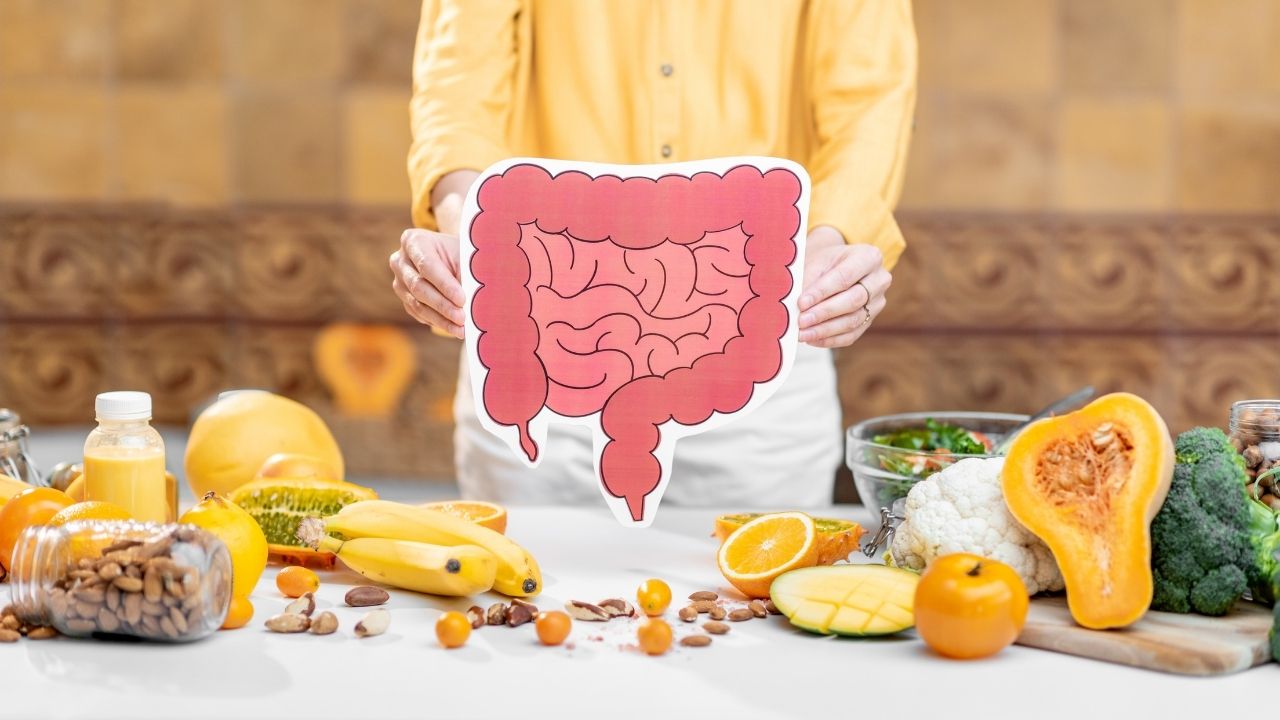
Diet for Gastrointestinal Problems
What do you eat? This has a lot to do with whether you will keep your digestive system happyor have things growing inside that will turn it sour. Eating the right diet can help relieve symptoms and aid recovery.
Recommended Foods:
- High-Fiber Foods: Oats, fruits and whole grain help in aiding bowel movements.
- Lean Proteins: Chicken, fish, tofu, and lentils are not hard on the stomach.
- Probiotics: Yogurt, kefir and fermented foods help to replenish normal gut flora.
- Cooked Vegetables: Cooked versions are easier to digest than raw ones and contain more nutrition.
Foods to Avoid with Gastrointestinal Problems:
- Caffeinated drinks such as coffee and energy drinks
- Carbonated drinks and alcohol
- Dairy (if lactose intolerant)
- Artificial sweeteners
- Gluten (for celiacs and gluten-sensitive people)
- A proper diet can help manage mild gastrointestinal disease. It can also support the treatment of gastrointestinal issues.
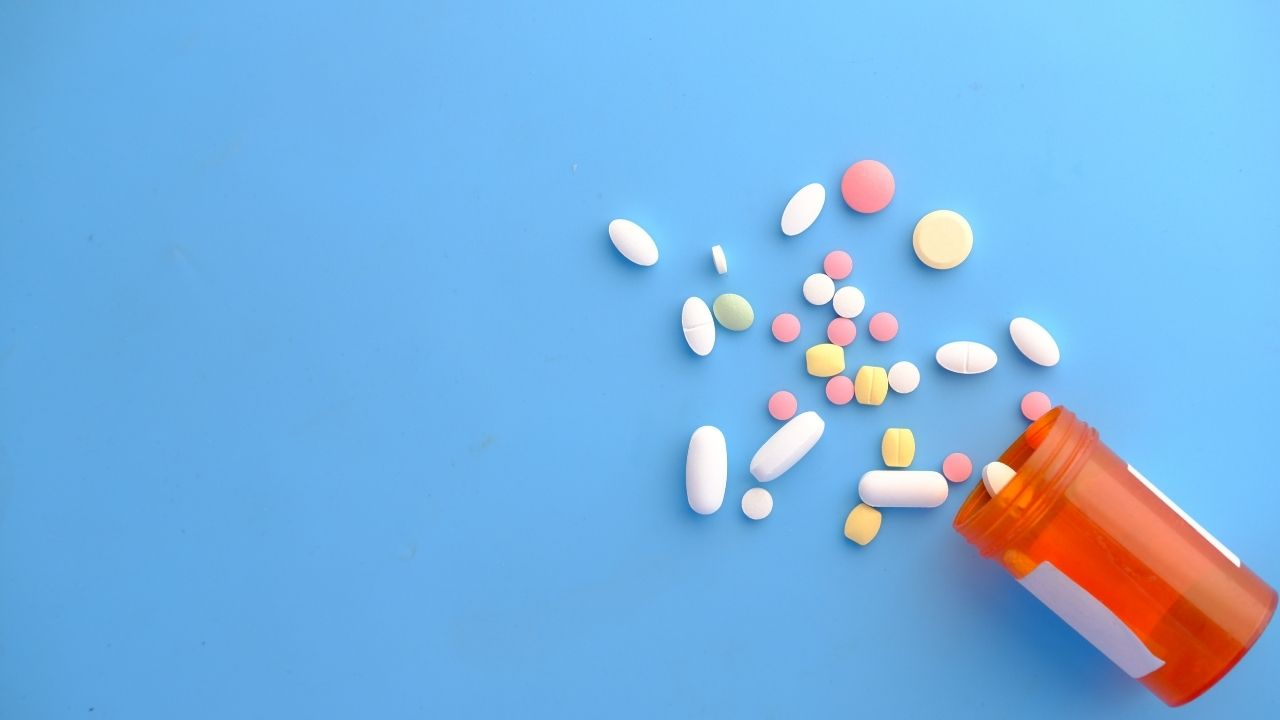
Medicine for Gastrointestinal Problems
Medications are an important part of treatment for GI diseases when dietary and lifestyle adjustments alone are not enough.
1. Over-the-Counter Medications
- Antacids: Give you relief from acid indigestion and heartburn.
- Antidiarrheals: Treat loose bowel in cases of disease or infections such as IBS.
- Laxatives: Help relieve constipation.
2. Prescription Drugs
- Proton Pump Inhibitors (PPIs) and H2 Blockers: Lower stomach acid for conditions such as GERD and ulcers.
- Antibiotics: Destroying bacterial infections such as H. pylori.
- Immunosuppressants: Used in autoimmune gi conditions, such as ulcerative colitis or Crohn’s.
- Anti-nausea Medications: Eases up vomiting, motion sickness.
- Antidepressants (at low dosages): Help control functional GI symptoms by calming gut-brain interaction.
Important Note: Treatment options depend on the cause. Patients should take all medications with help from a healthcare provider. This is important for a full treatment plan for intestinal problems.
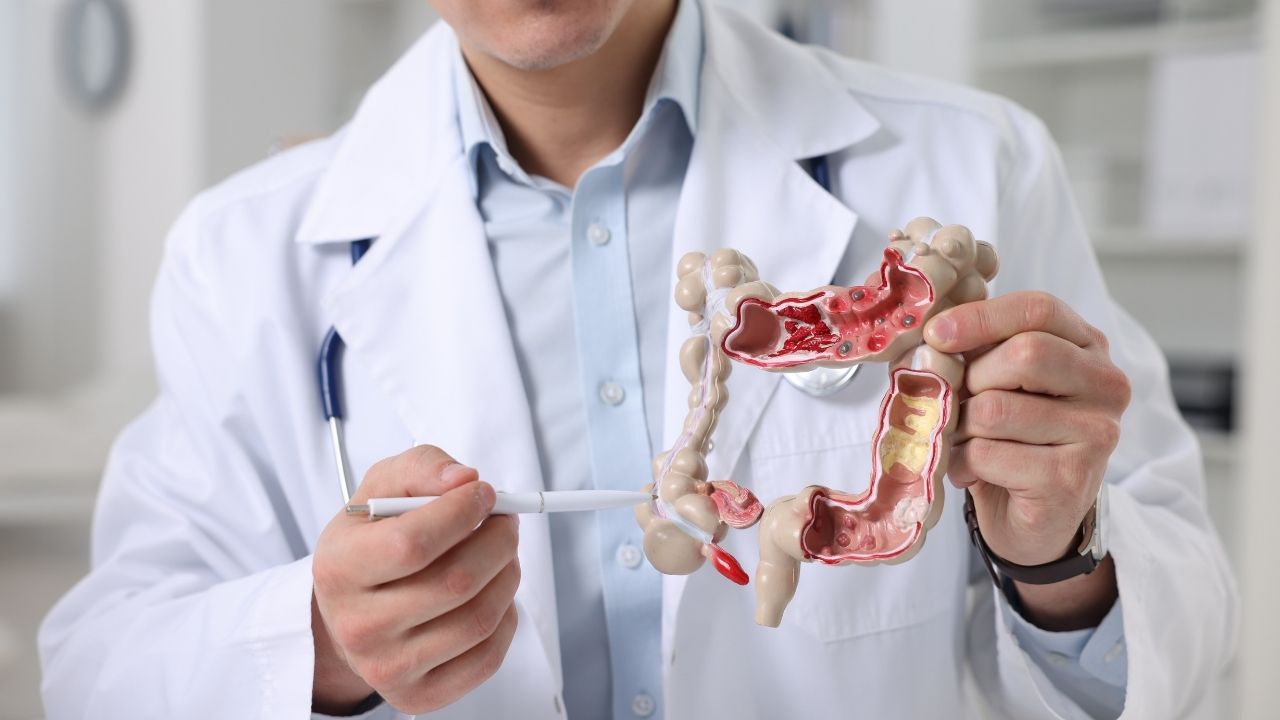
Treatment of Gastrointestinal Diseases
Treatment of gastrointestinal diseases include various techniques to control symptoms, treat the underlying cause, and avoid complications.
Treatment Options Include:
Change your lifestyle: Stop smoking, cut back on alcohol, and be at a healthy weight.
Diet Modifications: Personalized diet plans for conditions (e.g., low-FODMAP for IBS).
Drugs: as previously mentioned above.
Surgical Procedures: Necessary for severe cases such as non-healing ulcers, bowel obstruction and cancer.
Behavioral Therapy: A psychological treatment for stress-related functional GI disorders.
Routine Checkups: Follow-up screenings and tests keep track of progress.

How to Cure Gastrointestinal Problems
Not all gastrointestinal (GI) diseases can be completely cured. However, many can be managed well, and some may even go into full remission.
Options For A Cure And Long-Term Control:
- Professional Treatment Plan: Try a treatment plan created by a gastroenterologist.
- Probiotic Therapy: You will enhance beneficial bacteria in the gut with quality probiotics supplements or by eating probiotic rich foods.
- Trigger Management: Avoid stress, Spicy and greasy foods.
- Mind-Gut Connection: Practice relaxation techniques such as yoga, meditation and therapy to alleviate symptoms.
- Accurate Diagnosis: Have necessary tests like endoscopy, colonoscopy, stool analysis.
- Regular Checkup: Frequent medical checkup can timely detect complications.
Important Note: Most patients can improve their digestive health. They can also find relief from long-term symptoms. You can achieve this by combining medical treatment with lifestyle changes.
Conclusion
Gastrointestinal disorders plague millions of individuals, ranging from mild indigestion to devastating inflammatory conditions. It is important to know the symptoms of gastrointestinal problems. Understanding the causes of these issues is also key.
You should find a good treatment to improve your digestive health. If you have digestive issues like IBS, an infection, or ulcerative colitis, you can feel better. The right combination of diet, medicine, lifestyle, and support can help.
You may have digestive issues like IBS, infections, or chronic diseases such as ulcerative colitis. The right combination of diet, medication, lifestyle changes, and support can help you manage these conditions.