Jaundice during pregnancy, medically referred to as icterus, is a clinical condition characterized by the yellowish discoloration of the skin, sclera (the whites of the eyes), and mucous membranes. This pigmentation is caused by hyperbilirubinemia, an excess of bilirubin in the blood.
In the context of gestation, jaundice is a complex diagnostic challenge. While it affects a small percentage of pregnancies ranging from 0.1% to 3% it is a high-stakes symptom that demands immediate investigation.
Understanding why jaundice occurs in pregnancy requires a deep dive into the physiological changes of the female body. During pregnancy, the liver must process not only the mother’s metabolic waste but also handle the increased circulatory demands and hormonal shifts.
When the liver’s capacity is exceeded or a specific gestational pathology arises, jaundice becomes the visible indicator of an underlying crisis.
Is Jaundice Common in Pregnancy?
Statistically speaking, jaundice is not common in pregnancy. Most healthy pregnancies proceed without any liver interference.
However, its rarity is precisely why it is treated with such clinical gravity. When a healthcare provider encounters a pregnant patient with yellowing skin, they categorize the condition into three distinct frameworks to determine the urgency:
- Pregnancy-Specific Liver Diseases: These are conditions unique to the pregnant state, such as Intrahepatic Cholestasis of Pregnancy (ICP), HELLP syndrome, and Acute Fatty Liver of Pregnancy (AFLP).
- Intercurrent (Coincidental) Conditions: These are diseases that can occur at any time but happen to coincide with pregnancy, such as viral hepatitis (the most common cause of jaundice in pregnancy worldwide) or gallstones (cholelithiasis).
- Pre-existing Liver Disease: Patients with known chronic conditions, such as Cirrhosis, Wilson’s Disease, or autoimmune hepatitis, who become pregnant.
Causes of Jaundice in Pregnancy
The causes of jaundice in pregnant mothers are varied and often overlap, making the diagnostic process intricate. To ensure maternal and fetal safety, doctors look at the “big picture” of the pregnancy timeline.
1. Viral Hepatitis (The Leading Cause)
Globally, viral hepatitis is the most common cause of jaundice in pregnancy. While Hepatitis A and B are common, Hepatitis E is particularly dreaded in obstetric circles. In pregnant women, Hepatitis E can lead to fulminant liver failure, with mortality rates reaching as high as 20–25% in certain regions.
2. Intrahepatic Cholestasis of Pregnancy (ICP)
This is a liver problem unique to the second and third trimesters. It is caused by the liver’s inability to transport bile acids effectively, likely due to high estrogen and progesterone levels. This leads to increased levels of bile in the blood, causing severe itching and potential fetal distress.
3. HELLP Syndrome
HELLP is a life-threatening obstetric complication usually considered a variant of preeclampsia. It involves:
- H (Hemolysis): The breakdown of red blood cells, which releases bilirubin.
- EL (Elevated Liver enzymes): Indicating hepatic cell death.
- LP (Low Platelets): Leading to dangerous bleeding risks.
4. Acute Fatty Liver of Pregnancy (AFLP)
AFLP is a rare, emergency condition where mitochondria in the liver fail to process fatty acids, leading to a massive buildup of fat in the liver cells. It typically occurs late in the third trimester and can rapidly progress to multi-organ failure.
5. Gallstones (Choledocholithiasis)
Pregnancy increases the risk of gallstones because high estrogen levels increase cholesterol secretion into the bile, while progesterone slows down gallbladder contraction. If a stone blocks the bile duct, “obstructive jaundice” occurs.
Symptoms of Jaundice During Pregnancy
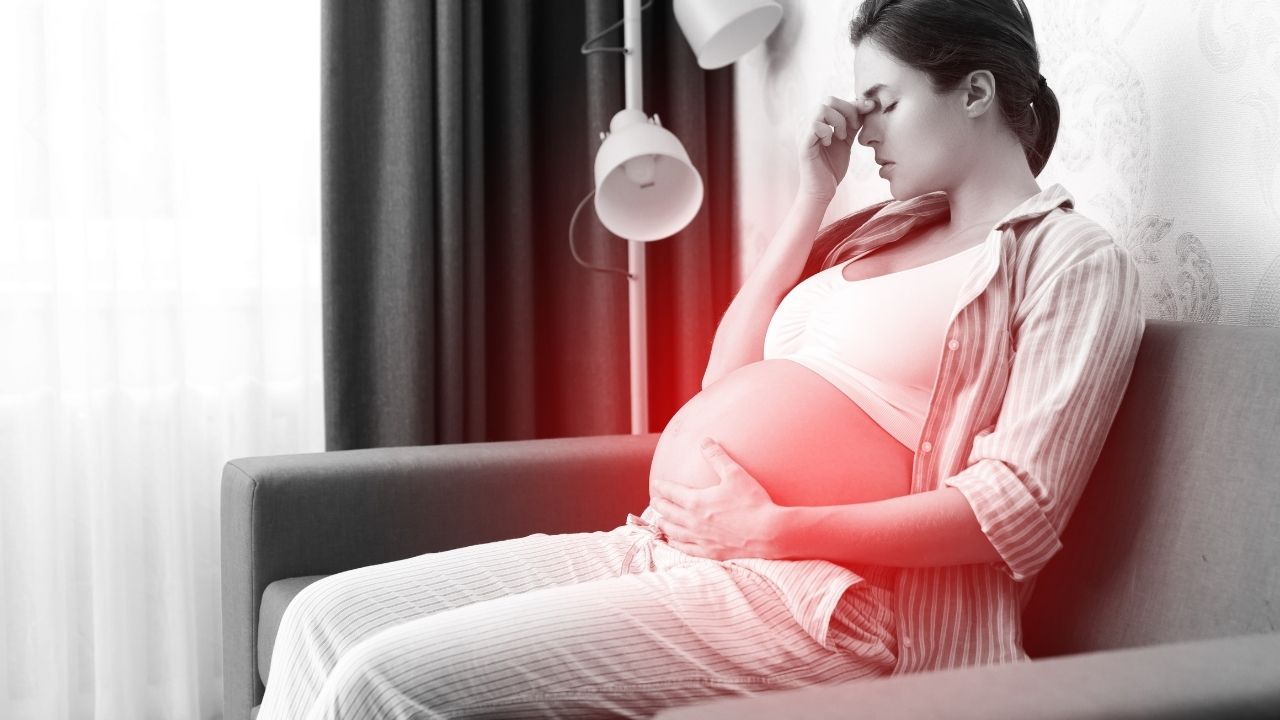
The symptoms of jaundice during pregnancy go beyond the simple yellowing of the skin. Because the liver affects almost every system in the body, the symptoms are often systemic. Common Symptoms include:
- Generalized Pruritus (Itching): In cases of ICP, this is the hallmark. It is typically most intense on the palms of the hands and soles of the feet and worsens at night.
- Dark-Colored Urine: As the liver fails to process bilirubin, the kidneys attempt to filter it out, turning the urine a tea-colored or dark brown hue.
- Pale or Clay-Colored Stools: If bile is not reaching the digestive tract due to a blockage in the bile duct, stools lose their brown pigment.
- Right Upper Quadrant Pain: Pain or tenderness located just under the ribs on the right side indicates liver swelling or gallbladder inflammation.
- Malaise and Fatigue: A general sense of being unwell, often accompanied by extreme lethargy.
- Nausea and Anorexia: A loss of appetite and persistent vomiting, which in the third trimester is always a red flag.
Types of Jaundice in Pregnancy
Clinicians utilize a “geographic” classification of jaundice to narrow down the source of the liver problem. Types Include:
Pre-Hepatic Jaundice
This occurs when the rate of red blood cell destruction exceeds the liver’s ability to conjugate bilirubin. In pregnancy, this is most commonly seen in HELLP syndrome or malaria.
Hepatocellular (Intra-Hepatic) Jaundice
The damage is within the liver tissue itself. The liver cells (hepatocytes) are either inflamed or dying. Viral hepatitis and Acute Fatty Liver of Pregnancy fall into this category.
Post-Hepatic (Obstructive) Jaundice
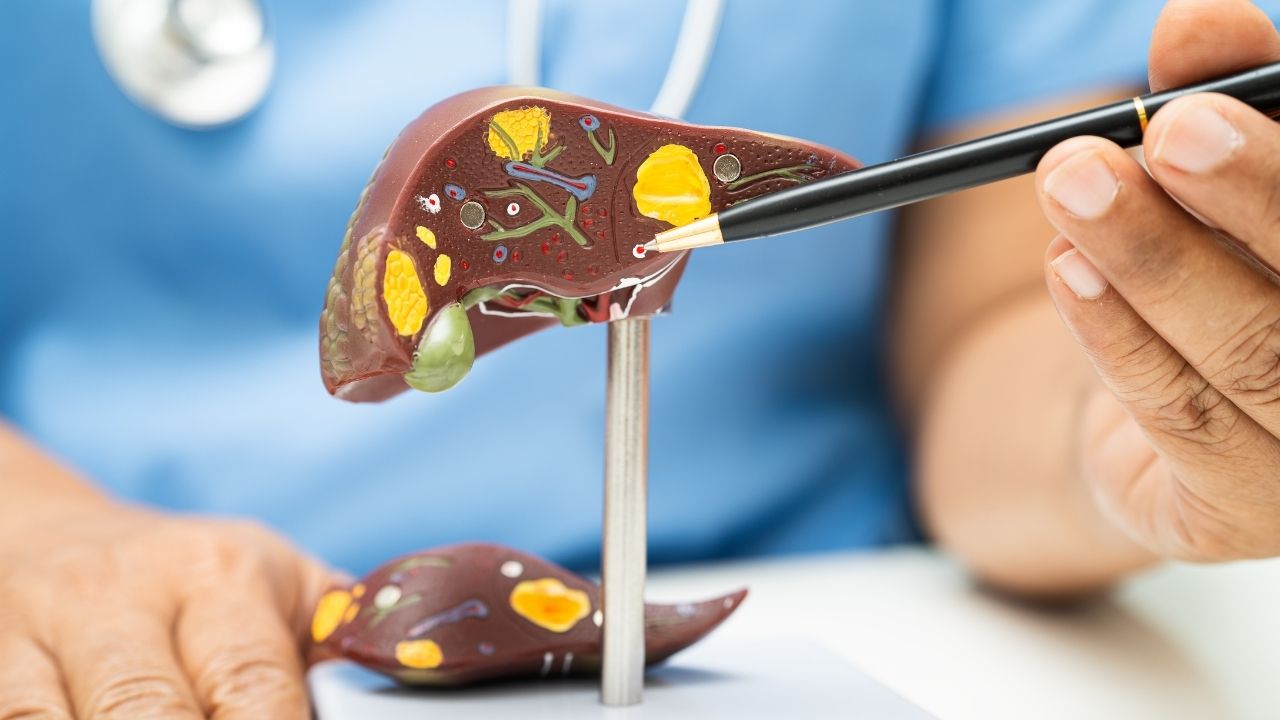
The liver is functioning, but the “drainage system” is blocked. This is usually due to gallstones obstructing the common bile duct.
Diagnosis of Jaundice in Pregnancy
The diagnosis of jaundice in pregnancy must be rapid and precise. A delay of even 24 hours in conditions like AFLP can be fatal.
The LFT Test in Pregnancy
The primary tool is the Liver Function Test (LFT). However, interpreting an lft test in pregnancy requires expertise because “normal” ranges change during gestation.
- Bilirubin Levels: Total, conjugated, and unconjugated bilirubin are measured.
- Liver Enzymes (ALT and AST): Levels in the hundreds or thousands suggest viral hepatitis or AFLP.
- Serum Bile Acids: A total bile acid test is the definitive way to diagnose ICP. Levels above 10 µmol/L are abnormal, while levels above 40 µmol/L indicate a high-risk pregnancy.
Imaging and Serology
- Abdominal Ultrasound: The safest way to visualize the liver and gallbladder without exposing the fetus to radiation.
- Coagulation Profile: Testing how fast the blood clots (PT/INR). A failing liver cannot produce clotting factors, leading to a high risk of hemorrhage.
How It Affects The Baby & What Are The Complications
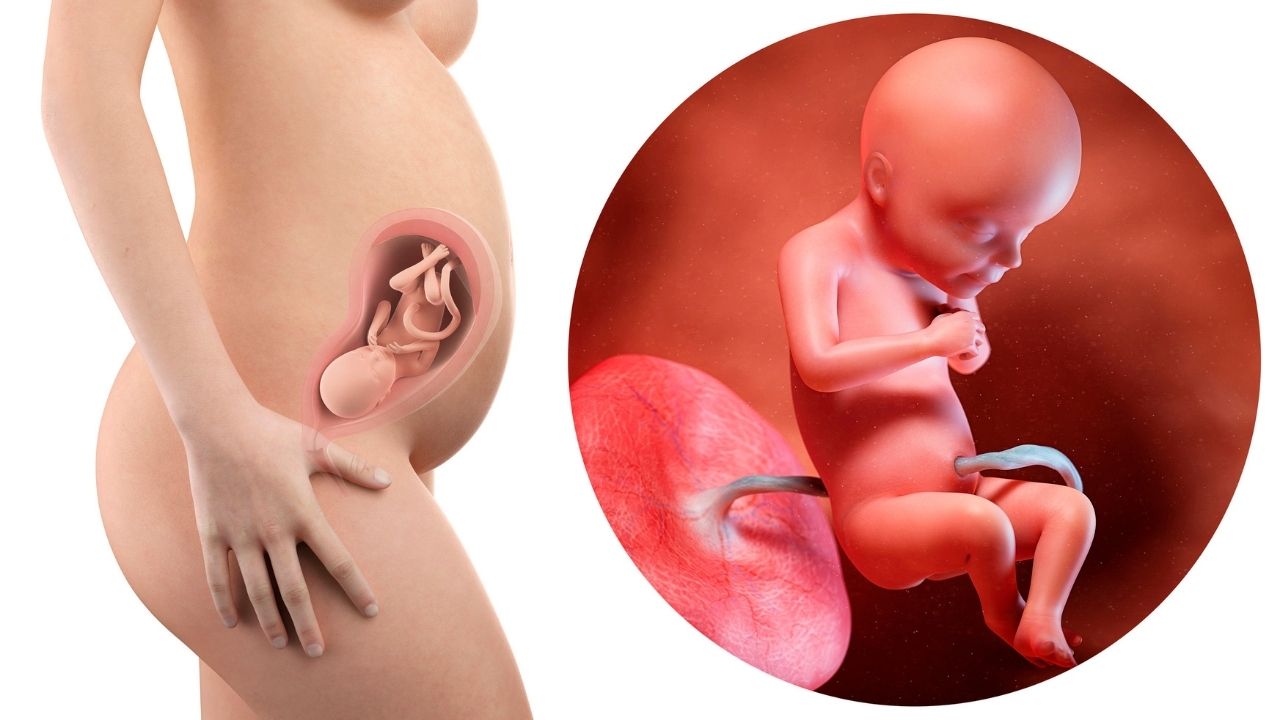
The jaundice during pregnancy effects on the baby are a major concern for expecting parents and doctors alike. The placenta is not an impenetrable barrier; toxins in the mother’s blood can cross into the fetal circulation.
Fetal Complications
- Preterm Birth: Many conditions causing jaundice require early induction to save the mother’s life.
- Fetal Distress: High bile acids can cause the fetal heart rate to become irregular.
- Meconium Aspiration: Stress caused by maternal liver disease can cause the fetus to pass meconium (first stool) in utero, which can be inhaled into the lungs.
- Stillbirth: This is the most tragic complication, particularly associated with untreated ICP.
Maternal Complications
- Postpartum Hemorrhage (PPH): If the liver cannot produce Vitamin K-dependent clotting factors, the mother may bleed uncontrollably after birth.
- Encephalopathy: In severe cases like AFLP, toxins reach the brain, causing confusion or coma.
- Renal Failure: The “Hepatorenal syndrome” where liver failure causes the kidneys to shut down as well.

Management and Treatment of Jaundice During Pregnancy
The management of jaundice in pregnancy is highly specialized. It often requires a multi-disciplinary team consisting of an obstetrician, a hepatologist (liver specialist), and a neonatologist.
Pharmacological Treatment
- Ursodeoxycholic Acid (UDCA): This is the primary medication used to treat ICP. It helps to lower bile acids and improve liver flow.
- Vitamin K Therapy: Often administered via injection to ensure the mother’s blood can clot properly before delivery.
- Antivirals: Specifically used if the jaundice is caused by a chronic Hepatitis B flare-up.
Delivery as Treatment
In many cases, such as AFLP and HELLP syndrome, the liver diseases are driven by the placenta. Therefore, the only definitive treatment of jaundice during pregnancy for these conditions is the delivery of the baby. Once the placenta is removed, the mother’s liver usually begins to recover within 48 to 72 hours.
How to Prevent Jaundice During Pregnancy
While many causes are spontaneous or genetic, you can take proactive steps to reduce your risk:
- Pre-conception Vaccination: Ensure you are immune to Hepatitis A and B before getting pregnant.
- Dietary Management: Maintain a diet low in saturated fats to prevent the formation of gallstones.
- Avoid Self-Medication: Many over-the-counter drugs (like high doses of acetaminophen) are processed by the liver. Always consult a doctor before taking any supplement.
- Hydration and Hygiene: Especially in areas where Hepatitis E is endemic, ensure water is boiled and food is thoroughly cooked.
- Monitor Bile Levels: If you have a family history of ICP, request early monitoring of your total bile acid levels.
Conclusion
Jaundice is a significant clinical sign that should never be ignored. However, with modern diagnostic tools like the lft test in pregnancy and medications like ursodeoxycholic acid, most women with jaundice go on to have successful deliveries and healthy babies. The key is early intervention and specialized care.