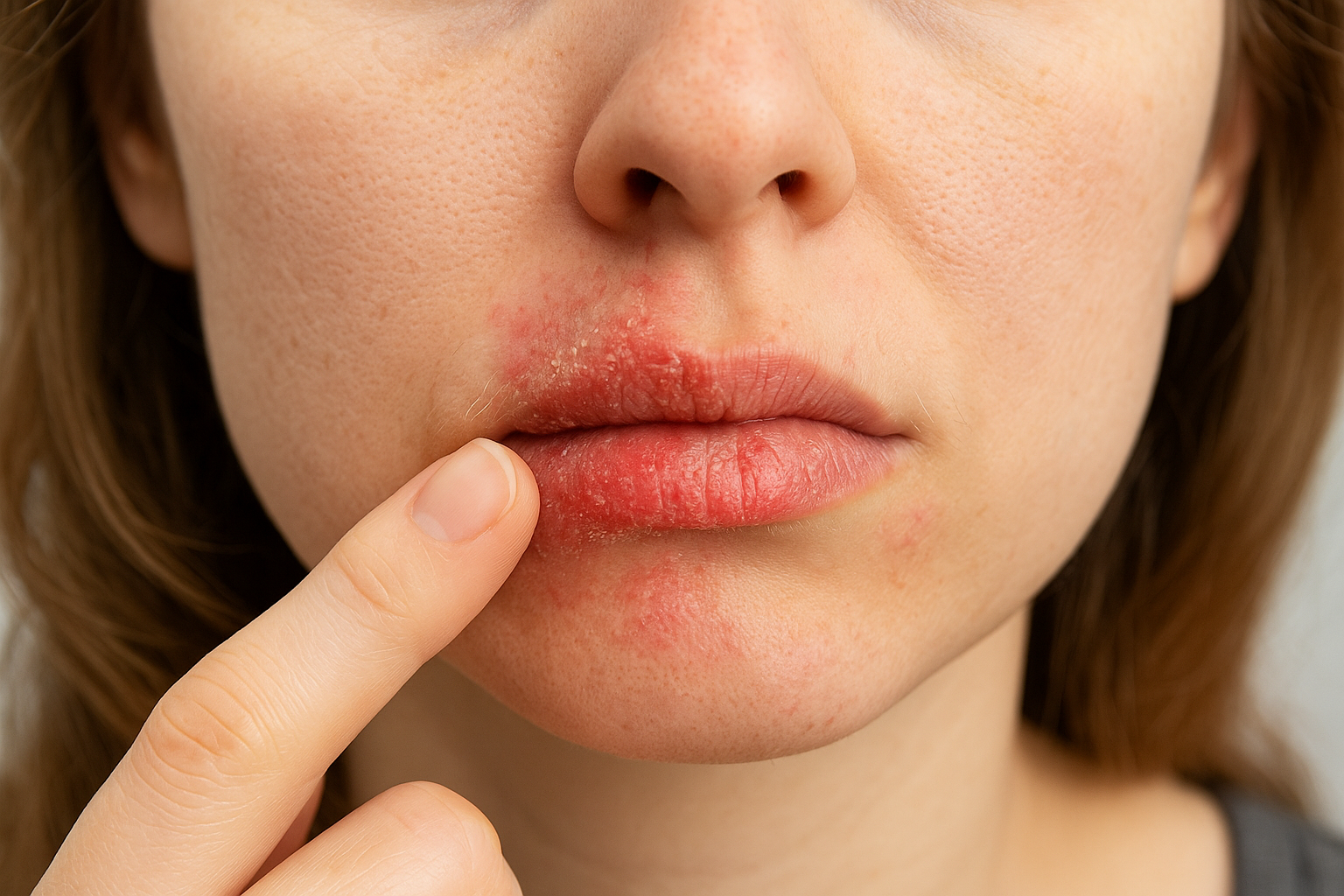
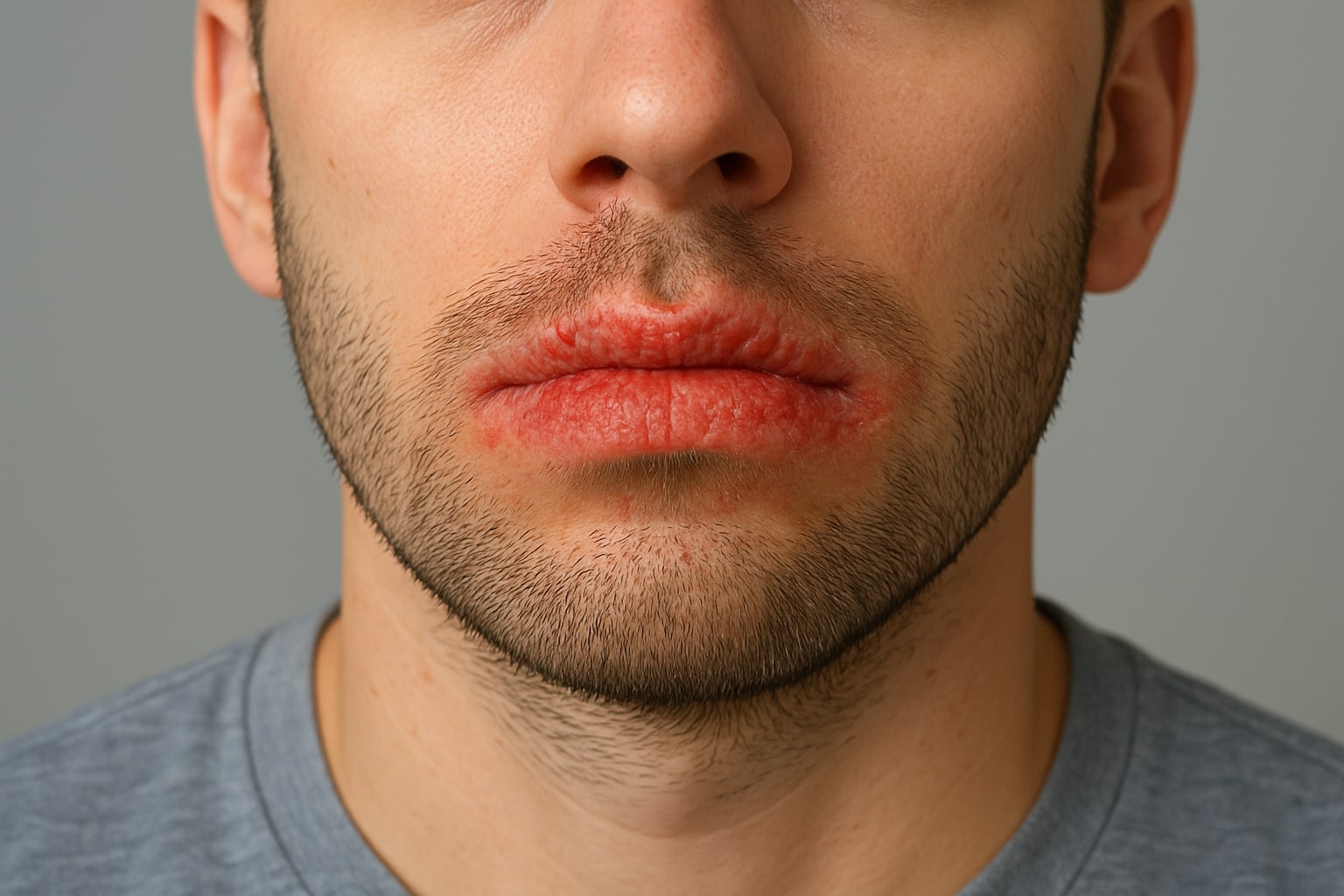
Lip eczema medically called eczematous cheilitis is a condition in which the lips repeatedly become dry, irritated, and inflamed. The skin tends to peel, crack, itch, burn, and can even bleed during severe flare-ups, making daily activities like talking, smiling, and eating uncomfortable.
The topic of permanent relief from lip eczema continues to stir debate across dermatology communities and patient groups. Many individuals strongly believe that lip eczema can be eliminated once and for all, while others argue that it persists throughout life, resurfacing unexpectedly.
Conflicting information online often creates confusion, making it difficult to distinguish scientific facts from common myths. Dermatology assessments point toward a complex condition influenced by multiple biological and environmental factors, which contributes to the ongoing disagreement surrounding its long-term outcome. Understanding whether permanent resolution is factual or merely a myth requires examining medical evidence instead of assumptions.
For many people, the most frustrating part is that symptoms improve for a while and then suddenly return without warning. Because of this cycle of relief and relapse, it’s natural for people to search for a clear answer to one important question : Can lip eczema be cured?
Can lip eczema be cured permanently?
The scientifically accurate answer is:
Lip eczema cannot be cured permanently. But it can be controlled to the point where flare-ups stop coming back , when the skin barrier is protected and triggers are avoided. With proper dermatology-guided care, trigger avoidance, and regular moisturization, most individuals can maintain long-term comfort and healthy-looking lips with very few symptoms. So, while it may not disappear forever, lip eczema can be kept well under control with the right approach.
This means that repeated flare-ups do not have to continue throughout life. With the right care routine and preventive steps, many individuals experience long-term comfort and maintain healthy lips. The key point is that steady and lasting relief is possible, even though there is no medically proven permanent cure.
To achieve long-term stability, identifying and avoiding personal triggers plays a crucial role. Factors such as weather changes, certain foods, allergens, harsh lip products, and frequent lip licking can influence the severity of symptoms.
Why Lip Eczema Doesn’t Go Away Forever
Lip eczema is not caused by germs, infection, or anything that can simply be removed or “killed.” Rather, the core problem lies in a weak or sensitive skin barrier.
The lips are already biologically vulnerable because they have:
- Very thin skin, almost one-tenth the thickness of facial skin
- No natural oil glands, so moisture escapes quickly
- Fewer ceramides, which are essential for skin barrier strength
- High water loss, especially in dry weather
When this barrier weakens, moisture escapes faster than the lips can retain it. This leads to irritation, dryness, and inflammation leading to eczema. Even if the skin heals temporarily, the barrier remains naturally delicate. If it is not continuously protected, flare-ups return. This is why lip eczema does not behave like traditional wounds or infections that heal permanently. The lips need ongoing support, not a one-time cure.
What Medical Research Says About “Cure vs Control”
Global dermatology guidelines consistently show that eczema including lip eczema is a chronic, recurring condition. It does not stay away forever on its own. However, it can remain inactive when maintained properly.
Research consistently states:
- Eczema responds very well to treatment
- Eczema returns when barrier care or trigger control is missing
- Long-term remission is possible with maintenance routines
This means the real goal is not eliminating eczema biologically forever, but preventing the triggers that restart it.
This pattern is similar to:
- Asthma
- Skin allergies
- Acne
- Seborrheic dermatitis
These Conditions does not permanently disappear, but millions of people live symptom-free through lifestyle adjustments and consistent care. Lip eczema works the same way: Consistency keeps the condition quiet.
Why Flare-Ups Return Even After “Successful” Treatment
Most people experience a repeating cycle:
- Flare-up starts
- Medication or treatment is applied
- Symptoms disappear
- Lip care stops completely
- Barrier weakens again
- Flare-up returns
This cycle does not mean:
- The lips cannot heal
- Treatment is ineffective
- The eczema is getting worse
It simply means the care was paused too early. A flare-up needs treatment, but long-term relief needs continuation of care even after visible symptoms fade. Lip eczema demands both healing and maintenance, not just one.
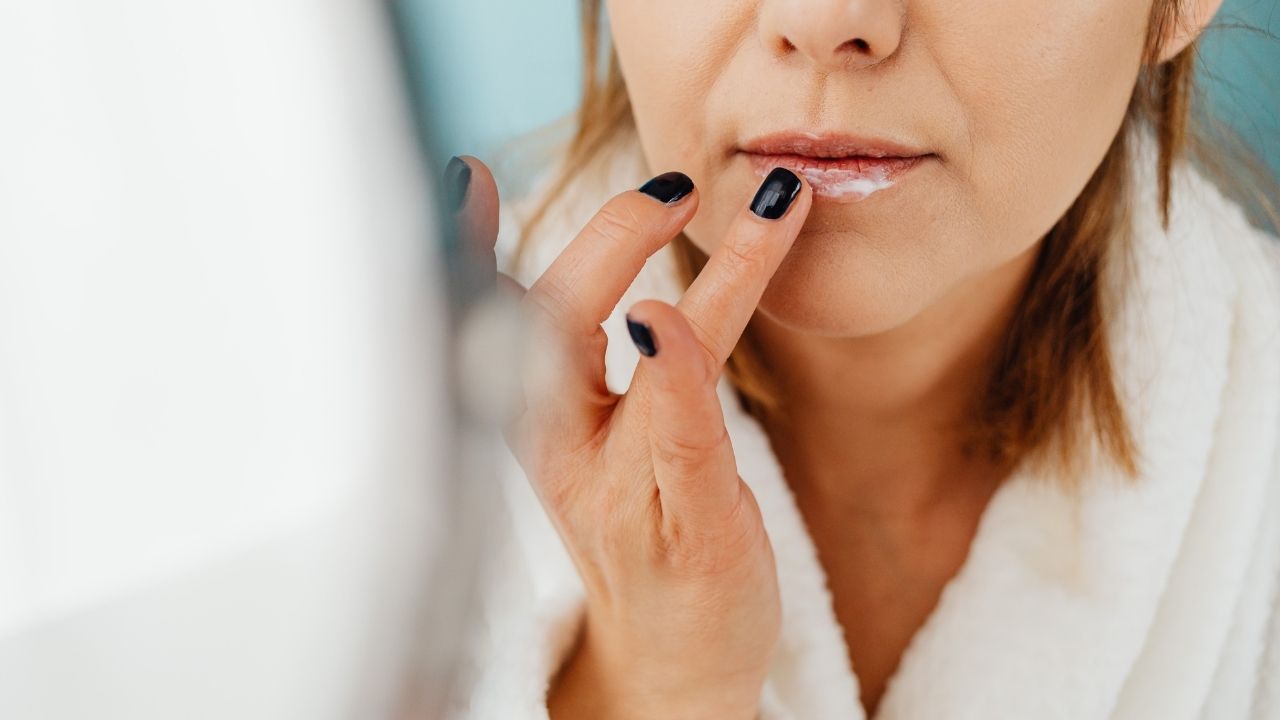
How People Successfully Keep Lip Eczema Away Long-Term
People who stay flare-free for months or years do not necessarily have special medicines. They simply follow habits that support lip health continuously.
Their helpful habits often include:
- Applying lip moisturizer multiple times daily, not only when dryness appears
- Choosing fragrance-free and hypoallergenic lip products
- Protecting the lips during cold and dry seasons
- Applying a layer of petroleum jelly before sleeping to prevent moisture loss
- Rinsing lips after spicy or citrus foods if irritation occurs
- Avoiding licking, biting, or picking at the lips even when dry
They avoid common triggers like:
- Mint-based and flavored lip balms
- Whitening or menthol toothpastes
- Matte or long-stay lipsticks that dehydrate the lips
- Home exfoliation with harsh scrubs (sugar, salt, lemon, etc.)
- Constant switching between new lip products
- Leaving lips dry for long hours without applying any product
Their success comes from stable habits and consistency, not from intense or complicated treatments.
The Most Effective Lip Eczema Care Method
The best real-world healing method is based on three phases, and each phase has a purpose.
Phase 1: Heal the active flare-up
This phase reduces inflammation and soothes the lips quickly.
Most dermatologists recommend:
- Hydrocortisone 1% for short-term use only (usually 3–7 days)
- A ceramide-based lip barrier cream to repair the skin
- Petroleum jelly (occlusive) to lock moisture in throughout the day
The goal here is not just relief , it is to stop the inflammation cycle.
Phase 2: Repair the skin barrier
This is the most important step and the reason many people stay flare-free. Once the flare-up calms down:
- Continue using ceramide moisturizer regularly (morning and night)
- Seal moisture with petroleum jelly every night before sleeping
- Avoid all fragranced lip products
- Avoid lip scrubs and home exfoliation
Barrier repair should continue weeks after symptoms disappear, not just during flare-ups.
Phase 3: Prevent triggers from restarting eczema
This is the long-term success phase. When triggers are avoided, flare-ups no longer have a reason to start.
Common triggers include:
- Dry cold weather
- Sun exposure without lip protection
- Acidic/spicy foods touching the lips
- Lip licking or biting
- Menthol or whitening toothpaste
- Low-quality lipsticks and lip tints
Avoiding known triggers is what keeps lip eczema “silent” for long periods.
Daily Lip-Care Routine That Keeps Eczema Away
A simple and repeatable routine can help your lips stay healthy every day.
Morning
- Apply a ceramide-based lip moisturizer
- Add a protective layer of petroleum jelly before stepping outside
Afternoon
- Reapply moisturizer after eating or drinking
- Apply more frequently if you feel dryness
Night
- Apply lip moisturizer generously
- Seal with petroleum jelly to prevent moisture loss while sleeping
Extra tip for winter or dry weather
- Apply petroleum jelly before leaving the house to protect from wind and cold air
The goal is to never let the lips reach the point of dryness again, because dryness invites flare-ups.
How Long-Term Improvement Usually Looks
When the right routine is followed, most people notice patterns like:
- No flare-ups at all for many months
- A flare-up only during severe weather or stress
- Flare-ups only when known triggers are ignored
- Healthy, soft lips most of the year
Some individuals stay flare-free for 1–3 years or longer, showing that long-lasting relief is realistic and achievable.
When It’s Important to See a Dermatologist
A consultation is helpful if:
- The lips crack and bleed frequently
- Pain or irritation keeps increasing
- Symptoms last more than 2 weeks even with care
- You suspect toothpaste, food, or cosmetics might be causing irritation
A dermatology patch-test can identify allergies to:
- Fragrances and preservatives
- Metals like nickel
- Pigments in lipsticks
- Ingredients in toothpaste
- Certain foods
Summary
Lip eczema is not a condition that heals once and never returns. It is a long-term sensitivity of the lip barrier, which means flare-ups appear when the barrier becomes weak or irritated. However, this condition does not have to control your life. With the right treatment during flare-ups, Consistent barrier-repair after healing Smart trigger avoidance every day lip eczema becomes fully manageable.
Your lips can stay healthy, smooth, and comfortable not just for days or weeks, but for months and even years.
So, in the most accurate and realistic summary :
Permanent cure — not medically possible
Permanent-feeling relief — absolutely possible with consistent care
You can live flare-free and symptom-free, as long as the lips are protected, moisturized, and not exposed to triggers that restart inflammation.