Uric acid is a waste product created when the body breaks down purines, which are found in foods and in human cells. Although it is low in importance for physical functions, unbalanced levels of uric acid ( high & low ) can cause serious health issues. High levels are often associated with gout and kidney issues and low levels can be a sign of other health problems.
Uric acid disease refers to the conditions associated with abnormal levels of uric acid in the blood. Uric acid is formed when the body breaks down purines. The majority of uric acid dissolves in the blood, then moves through the kidneys and eliminated as a urine.
But when the body makes too much uric acid or the kidneys cannot excrete enough of it, resulting in high levels of uric acid in the body, causing a conditions known as hyperuricemia. On the other hand another condition called hypouricemia, is a very low level of uric acid in the body, which is less frequent but can also be a sign of health problems. Hyperuricemia and Hypouricemia are the indicators of some metabolic state that can have health implications.
What are High and Low Uric Acid Levels in the Body?
Uric acid is checked by a basic blood test. The normal level can differ slightly from laboratory to laboratory, but usually:
- Normal Uric Acid Levels:
- Men: 3.4 to 7.0 mg/dL (milligrams per deciliter)
- Women: 2.4 to 6.0 mg/dL
- Raised levels of uric acid (hyperuricemia):generally higher than 7.0 mg/dL in men and higher than 6.0 mg/dL in women. (And a quick word to the wise: hyperuricemia does not automatically cause symptoms or disease, but it vastly raises your chances, especially when it comes to gout.
- Low uric acid levels (Hypouricemia): Usually defined as serum levels less than 2.0 mg/dL. Although it is less frequent, hypouricemia may be indicative of some diseases.
What are the Symptoms of High Uric Acid in the Body?
Elevated uric acid by itself typically doesn’t produce immediate symptoms. This is why it is sometimes called “asymptomatic hyperuricemia.” Persistent high levels of uric acid, on the other hand, can result in the deposit of uric acid crystals, mainly in the joints, causing a variety of painful symptoms.
The most visible symptom of high uric acid is gout ( a form of inflammatory arthritis that causes sudden severe attacks of pain, swelling, redness and tenderness in one or more of the joints, usually the big toe. Other symptoms of high uric acid include:
- Acute Gout Attacks: Heavy pain, with the first symptom beginning at night, so intense that even the weight of a sheet may be intolerable. The joint involved gets hot, swollen, and becomes very painful.
- Chronic Gout: Recurrent attacks of gout can eventually lead to chronic arthritis with destruction and deformation of the joint and lingering discomfort.
- Tophi: Over time, if hyperuricemia is untreated, urate crystals can accumulate under the skin to form visible lumps called tophi. These painless but sometimes disfiguring nodules can appear in areas like the ears, elbows, fingers, and toes.
- Kidney Stones: Excessive uric acid levels play a part in developing uric acid kidney stones. Signs and symptoms include intense back or side pain, blood in the urine, nausea, vomiting and an increased urge to urinate.
- Cardiovascular Issues: Recent studies are showing that high levels of uric acid are indeed linked to a greater risk of heart disease and metabolic syndrome, as well as hypertension.
- Fatigue and General Malaise: Non-specific, but it is possible that some people who have high uric acid levels and tiredness also have a general feeling of malaise.
Symptoms of Low Uric Acid in the Body
Reduced uric acid levels (hypouricemia) occur much less frequently than raised uric acid levels (hyperuricemia) and are typically observed as an incidental finding in routine blood tests. Although it is not associated with a constellation of morbid symptoms as seen in gout, hypouricemia may indicate diseases of internal organs. Possible links to and symptoms resulting from causes of hypouricemia are:
- Kidney Problems: Some kidney diseases, especially those that involve uric acid reabsorption in the kidneys, can cause the body to excrete too much of the acid, resulting in low blood levels. Symptoms would be based on the kidney disease (excess urination, swelling, etc).
- Fanconi Syndrome: A rare kidney disorder that prevents the reabsorption of substances (including uric acid) which are normally filtered and reabsorbed into the bloodstream. This can manifest in a variety of symptoms, depending on the substances that are not taken back up, but can include bone issues (rickets in children, osteomalacia in adults), frequent urination and dehydration.
- Liver Disease: In severe liver disease, uric acid production may be decreased. Signs and symptoms would depend on the underlying liver disease (e.g., jaundice, fatigue, and abdominal distention).
- Certain Medications: certain type of drugs, notably cancer chemotherapeutic agents, that cause rapid cell breakdown and release of uric acid, and the corresponding transient excretion of uric acid, likely contribute to the occurrence of transient hypouricemia.
- Molybdenum Cofactor Deficiency: An extremely rare genetic disease that prevents an enzyme from being produced which is necessary in purine metabolism; characterized by very low uric acid levels and severe neurological dysfunction.
- Xanthine Oxidase Deficiency (Xanthinuria): A condition that results from an inability to metabolize purines adequately, leading to accumulation of xanthine and hypouricemia. Some people may be at risk of xanthine stones.

Causes of High Uric Acid in the Body
The etiology of hyperuricemia has multiple elements to consider, and frequently it is a combination of genetic and lifestyle factors. The clinical pictures are generally classified into overproduction of uric acid or under-excretion of uric acid by the kidney.
Diet : Diet high in purines being major reason. Diet high in purines include:
Red meat (beef, lamb, pork)
Offal (liver, kidney, brain)
Fish (sardines, anchovies, mackerel, mussels, scallops, shrimp)
Obesity and Metabolic Syndrome: Overweight or obese status is a strong risk factor for hyperuricemia. Metabolic syndrome, a group of conditions that includes obesity, high blood pressure, high blood sugar and abnormal cholesterol levels, is strongly connected to high uric acid.
Medical Conditions such as :
Kidney Disease: Poor kidney function is a common cause as the kidneys do not filter and excrete uric acid as efficiently.
Psoriasis: A chronic skin disorder that’s related to higher turnover of cells, which has been correlated with increased purine breakdown.
Hypothyroidism: Sluggish thyroid that is too slow.
Parathyroid Disease: Overactive parathyroid glands.
Certain Cancers and Blood Disorders: Specific diseases, such as leukemia, lymphoma and multiple myeloma, as well as fast cell turnover from chemotherapy treatment, can cause the release of large amounts of purines into the bloodstream.
Medications: A number of medications can either impair the ability of the kidneys to get rid of uric acid, or they can increase the amount of uric acid the body produce. Medications Include:
Diuretics (water pills): Thiazide diuretics are a frequent offender.
Low-dose aspirin: May decrease uric acid excreion
Immunosuppressants: Cyclosporine.
Niacin (vitamin B3): In larger amounts
Genetics: If gout or high uric acid runs in the family, the risk for an individual increases. So, the genetic mutations can affect how your kidneys handle uric acid.
.
Dehydration: When you don’t drink enough water, uric acid in your blood becomes more concentrated.
Causes of Low Uric Acid in the Body
Hypouricemia is rare as a general phenomenon and is usually a sign of isolated underlying diseases or causes.
- Genetic Disorders:
Hereditary Renal Hypouricemia: Rare conditions causing the kidney to be unable to reabsorb large amounts of uric acid, which the body then excretes in urine.
Xanthine Oxidase Deficiency (Xanthinuria): This uncommon genetic defect,, does not allow for the purines to break down the way they should, so uric acid is low and xanthine is abnormally high.
Molybdenum Cofactor Deficiency: A Very rare genetic disease with serious consequences.
- Kidney Disorders:
Fanconi Syndrome: A generalised dysfunction of the renal tubule resulting in defective reabsorption of a number of substances (including uric acid).
Proximal Renal Tubular Acidosis: A type of renal tubular acidosis that may also contribute to elevations in uric acid excretion.
- Severe Liver Disease: The liver is a major source of uric acid. If severe liver damage occurs it can interfere with this process and cause levels to be low.
- Certain Medications:
Allopurinol and Febuxostat: These are drugs made specifically to reduce uric acid in individuals with gout. They also block xanthine oxidase, an enzyme that is part of the process that produces uric acid.
High-dose aspirin: Whereas low-dose aspirin may not affect uric acid clearance, high doses can do so.
Losartan: A common blood pressure drug that is also uricosuric (increases uric acid excretion).
Fenofibrate: A lipid-lowering agent, which can also cause effects on uric acid excretion.
Diet: A diet extremely deficient in purines could, in theory, result in low uric acid levels, though that is very rare amongst the general population.
Syndrome of Inappropriate Antidiuretic Hormone Secretion (SIADH): A disorder characterized by an excessive production of antidiuretic hormone by the body, ultimately causing dilutional hyponatremia and blood components such as uric acid.
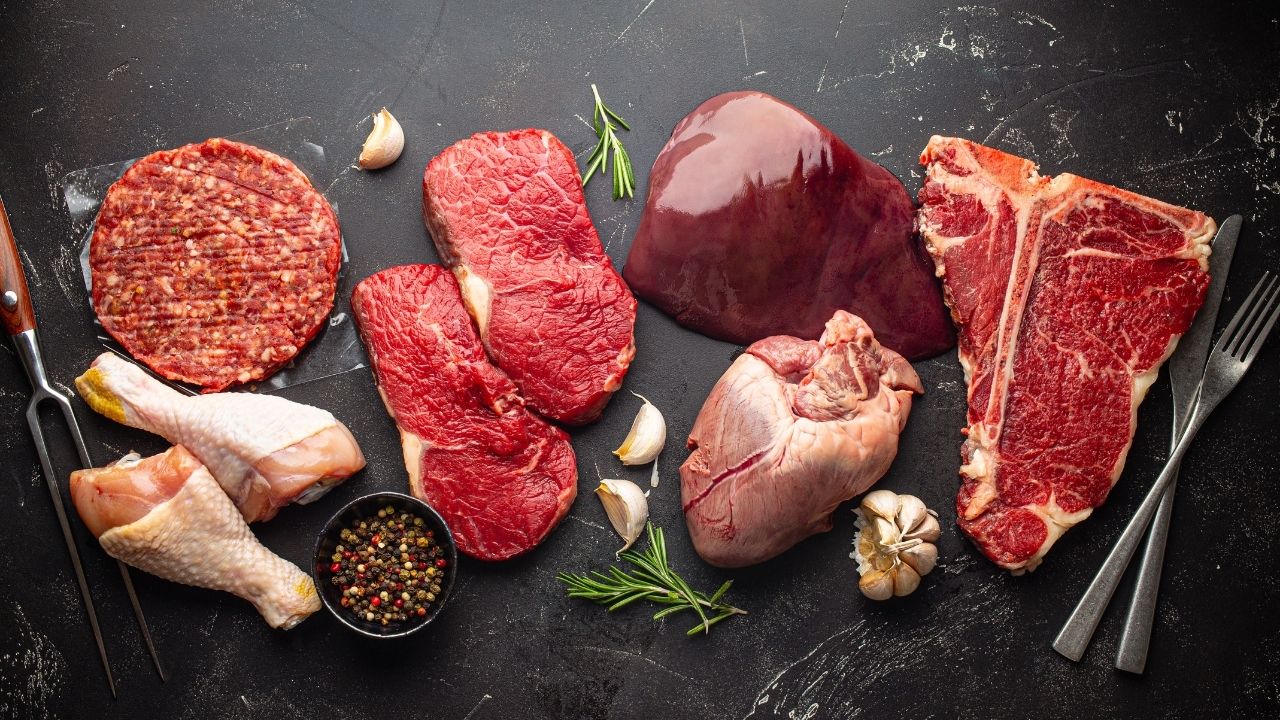
Foods to Avoid (For High Uric Acid)
- High-Purine Meats
- Offal (liver, kidneys, sweetbreads, brain)
- Red meats (beef, lamb, pork, especially in excess)
- Game meats (venison, rabbit)
- Certain Seafood
- Anchovies, sardines, herring and mackerel
- Scallops, mussels, shrimp (a little is ok for some, but many are told to limit during flares)
- Alcohol
- Beer (a particular problem because of the purine content and the diuretic effect)
- Spirits (in moderation, but still raises the risk)
- Wine (not as impactful as beer or spirits, but best to avoid during flares)
- Fructose-Sweetened Beverages:
- Soda, fruit juices and any beverage that contains high-fructose corn syrup.
- Yeast Extracts and Gravies: Yeasts are rich in purines.
- Sweets: Not high in purines, but can indirectly increase uric acid via metabolic syndrome and insulin resistance from excessive sweets consumption.
Tips for Managing Uric Acid Levels
- Stay Hydrated: Keep Yourself Hydrated: Keep sipping on water throughout the day. This “will help kidneys excrete” uric acid.
- Maintain a Healthy Weight: Shedding extra pounds can greatly decrease uric acid. Concentrate on slow and steady weight loss.
- Eat a Balanced Diet: Eat a healthy diet: Focus on: Fruits, vegetables, whole grains, and lean proteins.
- Limit Alcohol and Sugary Drinks: Both are leading causes of high uric acid.
- Exercise Regularly: Physical activities further help in good health and to manage weight.
- Manage Stress: Stress can make inflammatory conditions worse
- Adhere to Medication (if prescribed):Stick With Treatment (if you have a prescription): If medications were prescribed by your doctor, use them on schedule.
- Educate Yourself: Knowledge is power and helps you define your lifestyle.
- Consult Your Doctor: You should always consult with your physician about any symptoms or concerns. Do not diagnose and treat yourself.