Medically Reviewed By Dr. Mohit Jaidkka Consultant – Non Invasive Cardiology At Amcare Hospital
Blood pressure is one of the most critical vital signs that reflects your cardiovascular health and overall wellbeing. Understanding what is the normal BP of a person, how it varies across different demographics, and what happens when it deviates from healthy ranges empowers you to take proactive steps in maintaining optimal cardiovascular function.
Understanding Blood Pressure: The Basics
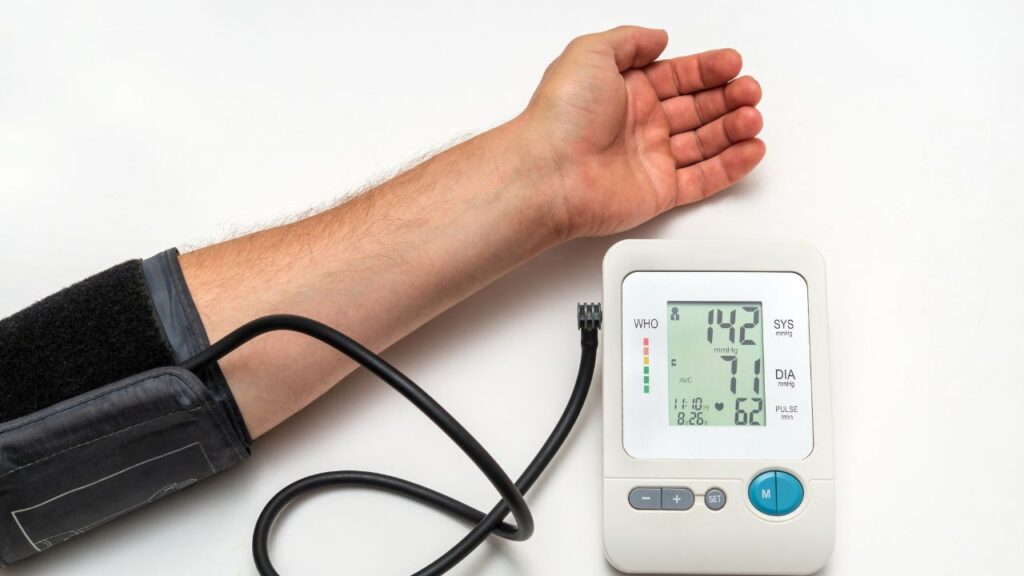
Blood pressure measures the force your blood exerts against artery walls as your heart pumps it throughout your body. This measurement consists of two numbers expressed as a fraction, such as 120/80 mmHg (millimeters of mercury).
Systolic Blood Pressure (the top number): It represents the pressure in your arteries when your heart beats and contracts, pushing blood through your circulatory system. This number reflects the maximum pressure your arterial walls experience during each cardiac cycle.
Diastolic Blood Pressure (the bottom number): It measures the pressure in your arteries between heartbeats when your heart relaxes and refills with blood. This indicates the minimum pressure your arteries experience and reflects peripheral vascular resistance.
What Is the Normal BP Range?
According to the American Heart Association and leading cardiovascular organizations worldwide, normal blood pressure for adults is less than 120/80 mmHg. This range indicates optimal cardiovascular function and minimal risk for heart disease, stroke, and other complications associated with abnormal blood pressure.
Blood Pressure Categories Chart
| Blood Pressure Category | Systolic (mmHg) | Diastolic (mmHg) |
| Normal | Less than 120 | AND Less than 80 |
| Elevated | 120-129 | AND Less than 80 |
| High Blood Pressure (Hypertension) Stage 1 | 130-139 | OR 80-89 |
| High Blood Pressure (Hypertension) Stage 2 | 140 or higher | OR 90 or higher |
| Hypertensive Crisis | Higher than 180 | AND/OR Higher than 120 |
| Low Blood Pressure (Hypotension) | Less than 90 | OR Less than 60 |
Normal Blood Pressure by Age
Blood pressure naturally changes throughout life, with readings typically increasing with age due to arterial stiffening and other physiological changes.
| Age Group | Normal BP Range (Systolic/Diastolic) |
| Infants (0-12 months) | 75-100/50-70 mmHg |
| Toddlers (1-3 years) | 80-110/50-80 mmHg |
| Children (3-12 years) | 90-120/60-80 mmHg |
| Adolescents (13-18 years) | 110-120/70-80 mmHg |
| Adults (18-60 years) | Less than 120/80 mmHg |
| Older Adults (60+ years) | Less than 130/80 mmHg |
Important Note: While blood pressure tends to increase with age, persistently elevated readings still constitute hypertension requiring medical management regardless of age. The slight increase in acceptable systolic pressure for older adults reflects physiological changes, but aggressive blood pressure control remains beneficial for preventing cardiovascular events.
Blood Pressure Normal Range for Female vs. Male
Historically, blood pressure guidelines didn’t differentiate between genders, maintaining that normal blood pressure is less than 120/80 mmHg for both males and females. However, recent research reveals important gender-specific considerations:
Premenopausal Women: Generally have lower blood pressure than men of comparable age due to protective effects of estrogen, which promotes vasodilation and cardiovascular health. The normal bp value for premenopausal women often trends toward the lower end of the normal range.
Postmenopausal Women: Experience increased blood pressure as estrogen levels decline, often exceeding male counterparts of similar age. Women over 65 have higher hypertension prevalence than men.
Pregnancy Considerations: Pregnant women require specialized monitoring, as pregnancy-related hypertension poses serious risks. Normal blood pressure during pregnancy remains below 120/80 mmHg, though slight decreases in the second trimester are physiologically normal.
Gender-Specific Risk Factors: Women face unique cardiovascular risk factors including preeclampsia history, gestational diabetes, polycystic ovary syndrome, and hormonal contraceptive use—all affecting blood pressure management strategies.
Despite these differences, the fundamental definition of normal blood pressure remains consistent: less than 120/80 mmHg for both males and females, with individualized management based on specific risk profiles.

Understanding High Blood Pressure (Hypertension)
High blood pressure occurs when blood consistently flows through arteries with excessive force, damaging vessel walls and increasing cardiovascular disease risk. Hypertension is often called the “silent killer” because it typically produces no symptoms until serious complications develop.
High Blood Pressure Range
Elevated Blood Pressure: 120-129 systolic and less than 80 diastolic – a warning sign requiring lifestyle modifications to prevent progression to hypertension.
Hypertension Stage 1: 130-139 systolic OR 80-89 diastolic – typically managed through lifestyle changes and may require medication depending on cardiovascular risk factors.
Hypertension Stage 2: 140+ systolic OR 90+ diastolic – usually requires both lifestyle modifications and antihypertensive medications.
Hypertensive Crisis: 180+ systolic AND/OR 120+ diastolic – a medical emergency requiring immediate medical attention to prevent stroke, heart attack, or organ damage.
Causes of High Blood Pressure
Primary (Essential) Hypertension develops gradually over years without identifiable cause, accounting for 90-95% of cases. Contributing factors include:
- Genetic predisposition and family history
- Advancing age and arterial stiffening
- Obesity and excess body weight
- Physical inactivity and sedentary lifestyle
- High sodium intake and poor dietary habits
- Chronic stress and inadequate stress management
- Excessive alcohol consumption
- Smoking and tobacco use
Secondary Hypertension results from underlying medical conditions including kidney disease, hormonal disorders (thyroid problems, Cushing’s syndrome, primary aldosteronism), obstructive sleep apnea, certain medications (NSAIDs, decongestants, birth control pills), and illegal drugs.

Foods That Raise Blood Pressure
Certain dietary choices significantly elevate blood pressure through various mechanisms:
High-Sodium Foods: Processed meats (bacon, sausage, deli meats), canned soups and vegetables, frozen dinners, fast food, salty snacks (chips, pretzels), pickled foods, and condiments (soy sauce, ketchup) cause water retention and increased blood volume.
Sugar and Refined Carbohydrates: Sugary beverages, candy, baked goods, white bread, and pastries contribute to weight gain, insulin resistance, and vascular inflammation, all elevating blood pressure.
Saturated and Trans Fats: Red meat, full-fat dairy products, fried foods, margarine, and commercially baked goods increase arterial stiffness and promote atherosclerosis.
Excessive Alcohol: While moderate consumption may have cardiovascular benefits, heavy drinking raises blood pressure, damages heart muscle, and interferes with antihypertensive medications.
Caffeine: High caffeine intake causes temporary blood pressure spikes, though regular consumers develop tolerance. Sensitive individuals should monitor caffeine’s effects on their blood pressure.
Lifestyle Factors Contributing to High Blood Pressure
Physical Inactivity: Sedentary behavior increases heart disease risk and contributes to weight gain, both elevating blood pressure. Lack of exercise also reduces cardiovascular efficiency.
Chronic Stress: Prolonged stress triggers hormonal responses that constrict blood vessels and increase heart rate, chronically elevating blood pressure. Stress also promotes unhealthy coping behaviors like overeating and alcohol consumption.
Poor Sleep Quality: Sleep deprivation and sleep disorders like obstructive sleep apnea disrupt hormonal regulation, increase sympathetic nervous system activity, and raise blood pressure.
Smoking and Tobacco Use: Nicotine immediately raises blood pressure, damages arterial walls, accelerates atherosclerosis, and increases heart attack and stroke risk.
Understanding Low Blood Pressure (Hypotension)
While less commonly discussed than hypertension, low blood pressure can cause significant symptoms and complications when blood flow becomes inadequate to supply organs with oxygen and nutrients.
Low Blood Pressure Range
Low blood pressure (hypotension) is generally defined as readings below 90/60 mmHg. However, what constitutes problematic low blood pressure varies individually—some people naturally maintain lower readings without symptoms, while others experience complications at higher thresholds.
Symptomatic Hypotension requires medical attention regardless of specific numbers when accompanied by dizziness, fainting, blurred vision, nausea, fatigue, or difficulty concentrating.
Causes of Low Blood Pressure
Dehydration: Insufficient fluid intake reduces blood volume, lowering blood pressure. Severe dehydration from vomiting, diarrhea, fever, or excessive sweating can cause dangerous hypotension.
Heart Conditions: Bradycardia (extremely low heart rate), heart valve problems, heart attack, and heart failure reduce cardiac output, lowering blood pressure.
Endocrine Disorders: Hypothyroidism, adrenal insufficiency (Addison’s disease), and hypoglycemia affect hormones regulating blood pressure.
Blood Loss: Significant bleeding from injuries or internal bleeding drastically reduces blood volume and pressure.
Medications: Diuretics, alpha blockers, beta blockers, Parkinson’s disease medications, tricyclic antidepressants, and erectile dysfunction drugs can lower blood pressure excessively.
Nutritional Deficiencies: Vitamin B12 and folate deficiencies impair red blood cell production, causing anemia and low blood pressure.
Severe Infection (Septicemia): Bloodstream infections can cause life-threatening blood pressure drops (septic shock).
Postural Hypotension: Blood pressure drops upon standing, causing dizziness, which is common in older adults and pregnant women.
Foods That Help Raise Low Blood Pressure
For individuals with symptomatic hypotension, certain dietary strategies can help:
Increased Salt Intake: Under medical supervision, increasing sodium consumption raises blood volume and pressure. However, this should only be done with physician guidance, especially for those with heart or kidney conditions.
Adequate Hydration: Drinking sufficient water (8-10 glasses daily) maintains blood volume. Sports drinks with electrolytes help during hot weather or exercise.
Small, Frequent Meals: Large meals can cause blood to pool in the digestive system, lowering blood pressure elsewhere. Smaller, more frequent meals prevent this.
Vitamin B12-Rich Foods: Eggs, dairy products, fortified cereals, meat, and fish support healthy red blood cell production.
Folate-Rich Foods: Leafy greens, legumes, citrus fruits, and fortified grains help prevent anemia-related hypotension.
Caffeine: Coffee or tea can temporarily boost blood pressure, though effects diminish with regular consumption.
Lifestyle Factors Contributing to Low Blood Pressure
Prolonged Bed Rest: Extended immobility weakens cardiovascular conditioning, reducing the body’s ability to regulate blood pressure during position changes and increasing orthostatic hypotension risk.
Deconditioning: Physical inactivity reduces cardiovascular fitness, muscle tone, and blood volume regulation, contributing to chronically low blood pressure and poor circulation.
Excessive Heat Exposure: Hot weather, saunas, and hot baths cause vasodilation (blood vessel widening) and increased sweating, reducing blood volume and lowering blood pressure.
Alcohol Consumption: Alcohol causes vasodilation and dehydration, both lowering blood pressure. Excessive drinking can lead to dangerously low readings.
Rapid Position Changes: Standing up quickly from lying or sitting positions causes blood to pool in legs, temporarily reducing blood flow to the brain (orthostatic hypotension), causing dizziness or fainting.
Poor Nutrition: Inadequate caloric intake, restrictive diets, and eating disorders reduce blood volume and nutrient availability, lowering blood pressure and causing related symptoms.
How Blood Pressure Levels Affect The Body
Blood pressure profoundly impacts every organ system, with both high and low readings causing significant health consequences. Its affects on different organs ar as follows:
Cardiovascular System: Hypertension forces the heart to work harder, causing left ventricular hypertrophy (thickened heart muscle), which reduces cardiac efficiency and increases heart failure risk. Elevated pressure damages arterial walls, promoting atherosclerosis, increasing heart attack risk, and potentially causing aortic aneurysms.
Brain and Nervous System: High blood pressure is the leading risk factor for stroke, both ischemic (blocked blood flow) and hemorrhagic (bleeding). Chronic hypertension damages small cerebral vessels, causing cognitive decline, vascular dementia, and increasing Alzheimer’s disease risk. Hypertensive encephalopathy can cause confusion, seizures, and altered consciousness.and macular degeneration risk.
Kidneys: Hypertension damages delicate kidney blood vessels, reducing filtration capacity and causing chronic kidney disease. Severe cases progress to kidney failure requiring dialysis or transplantation. Kidneys and blood pressure have a bidirectional relationship, kidney damage further elevates blood pressure, creating a vicious cycle.
Eyes: Hypertensive retinopathy damages retinal blood vessels, causing vision problems, retinal hemorrhages, and potential vision loss.
Sexual Function: Hypertension damages blood vessels supplying reproductive organs, causing erectile dysfunction in men and reduced sexual response in women.
Effects of Low Blood Pressure on the Body
Brain Function: Inadequate cerebral blood flow causes dizziness, lightheadedness, confusion, difficulty concentrating, and fainting. Severe or prolonged hypotension can result in brain damage from oxygen deprivation.
Cardiovascular Complications: Severely low blood pressure reduces coronary blood flow, potentially causing angina or heart attack. Chronic hypotension may indicate underlying heart conditions requiring treatment.
Kidney Function: Insufficient renal perfusion impairs kidney function and waste elimination, potentially causing acute kidney injury in severe cases.
Shock: Life-threatening hypotension (shock) from severe bleeding, infections, or allergic reactions causes organ failure and death without emergency intervention.
Falls and Injuries: Dizziness and fainting from low blood pressure increase fall risk, particularly dangerous for older adults prone to fractures.
How To Maintain Normal Blood Pressure Levels
Achieving and maintaining normal blood pressure requires comprehensive lifestyle approaches addressing diet, physical activity, stress management, and other modifiable risk factors.
Dietary Strategies for Normal Blood Pressure:
DASH Diet (Dietary Approaches to Stop Hypertension): This evidence-based eating plan emphasizes fruits, vegetables, whole grains, lean proteins, and low-fat dairy while limiting sodium, saturated fats, and added sugars. Studies demonstrate the DASH diet can lower systolic pressure by 8-14 mmHg.
Reduce Sodium Intake: Limit sodium to less than 2,300 mg daily, ideally 1,500 mg for optimal blood pressure control. Read nutrition labels, choose fresh foods over processed options, cook at home, and use herbs and spices instead of salt for flavoring.
Increase Potassium Consumption: Potassium counteracts sodium’s effects and relaxes blood vessel walls. Excellent sources include bananas, oranges, cantaloupe, apricots, leafy greens, tomatoes, potatoes, sweet potatoes, beans, and yogurt. Aim for 3,500-5,000 mg daily unless kidney disease contraindicates high potassium intake.
Consume Magnesium-Rich Foods: Magnesium supports vasodilation and blood pressure regulation. Include nuts, seeds, whole grains, leafy vegetables, legumes, and dark chocolate in your diet.
Limit Alcohol: If you drink, do so in moderation, no more than one drink daily for women or two for men. Excessive alcohol raises blood pressure and interferes with medications.
Heart-Healthy Fats: Replace saturated fats with unsaturated fats from olive oil, avocados, nuts, and fatty fish rich in omega-3 fatty acids, which have anti-inflammatory properties supporting cardiovascular health.
Physical Activity Recommendations
Aerobic Exercise: Engage in at least 150 minutes of moderate-intensity aerobic activity weekly (brisk walking, cycling, swimming) or 75 minutes of vigorous activity (running, aerobic dancing). Regular aerobic exercise can lower systolic pressure by 5-8 mmHg.
Strength Training: Include resistance exercises at least twice weekly. Building muscle mass improves metabolic health and blood pressure control.
Consistency Over Intensity: Regular moderate exercise provides greater cardiovascular benefits than sporadic intense workouts. Find activities you enjoy to maintain long-term adherence.
Daily Movement: Beyond structured exercise, increase daily physical activity through active transportation (walking, cycling), taking stairs, gardening, and reducing sedentary time.
Weight Management
Achieve Healthy Body Weight: Excess weight strains the cardiovascular system, raising blood pressure. Losing even 5-10% of body weight significantly reduces blood pressure in overweight individuals. Each kilogram of weight loss can reduce systolic pressure by approximately 1 mmHg.
Focus on Waist Circumference: Abdominal obesity particularly correlates with hypertension. Men should target waist circumference below 40 inches (102 cm); women below 35 inches (88 cm).
Stress Management Techniques
Mindfulness and Meditation: Regular meditation practice reduces stress hormones and lowers blood pressure. Even 10-15 minutes daily provides benefits.
Deep Breathing Exercises: Slow, deep breathing activates the parasympathetic nervous system, promoting relaxation and lowering blood pressure.
Yoga and Tai Chi: These mind-body practices combine physical movement, breathing techniques, and meditation, effectively reducing blood pressure and stress.
Adequate Sleep: Prioritize 7-9 hours of quality sleep nightly. Poor sleep elevates blood pressure and increases cardiovascular disease risk.
Social Connections: Maintain strong social relationships and engage in enjoyable activities. Social support buffers stress and promotes wellbeing.
Lifestyle Modifications
Quit Smoking: Smoking cessation is among the most impactful interventions for cardiovascular health. Blood pressure and heart rate begin normalizing within 20 minutes of quitting, with long-term benefits including dramatically reduced heart disease and stroke risk.
Limit Caffeine: If sensitive to caffeine’s effects, limit intake to 200-300 mg daily (approximately 2-3 cups of coffee) and avoid caffeinated beverages before blood pressure measurements.
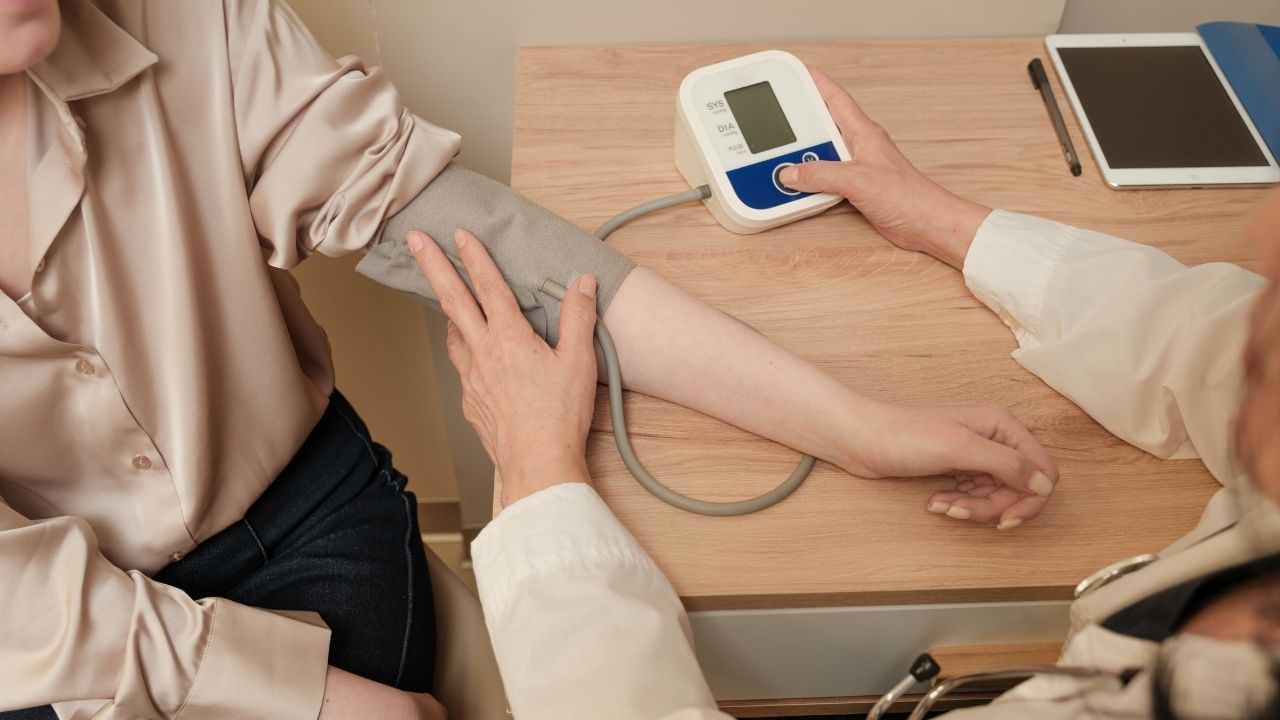
Monitor Blood Pressure Regularly: Home monitoring helps track treatment effectiveness and detect patterns. Follow proper measurement techniques: rest 5 minutes before measuring, sit with back supported and feet flat, position arm at heart level, and take multiple readings.
Medication Adherence: If prescribed antihypertensive medications, take them consistently as directed. Never discontinue medications without physician consultation, even if blood pressure normalizes.
Regular Medical Check-ups: Schedule routine appointments for blood pressure monitoring, medication adjustments, and screening for complications. Annual comprehensive evaluations assess overall cardiovascular health.
Blood Pressure Management Chart by Risk Category
| Risk Category | Systolic/Diastolic | Recommended Actions |
| Optimal | <120/<80 mmHg | Maintain healthy lifestyle; monitor annually |
| Elevated | 120-129/<80 mmHg | Lifestyle modifications; recheck in 3-6 months |
| Stage 1 Hypertension | 130-139/80-89 mmHg | Lifestyle changes; consider medication if high cardiovascular risk; monitor monthly |
| Stage 2 Hypertension | ≥140/≥90 mmHg | Lifestyle modifications plus medication; frequent monitoring until controlled |
| Hypertensive Crisis | >180/>120 mmHg | Seek immediate emergency medical care |
| Hypotension | <90/<60 mmHg | Evaluate for underlying causes; treat if symptomatic |
Conclusion
Understanding what constitutes normal blood pressure and how readings vary across age, gender, and individual circumstances empowers you to take proactive control of cardiovascular health. Normal blood pressure defined as less than 120/80 mmHg represents optimal cardiovascular function and minimal disease risk.
Both high and low blood pressure significantly impact health, affecting every organ system and increasing morbidity and mortality when left unmanaged. However, blood pressure remains highly modifiable through lifestyle interventions including dietary modifications, regular physical activity, weight management, stress reduction, and smoking cessation.
Regular monitoring, understanding personal risk factors, and working collaboratively with healthcare providers ensures early detection of blood pressure abnormalities and timely intervention. Whether managing hypertension, hypotension, or maintaining optimal readings, the comprehensive strategies outlined in this guide provide a roadmap for achieving and sustaining normal blood pressure throughout life.
Remember that blood pressure management is not one-size-fits-all, individualized approaches considering age, comorbidities, lifestyle factors, and personal preferences yield the best outcomes. Commit to heart-healthy choices today to protect your cardiovascular system and enjoy better health for years to come.