Consider, for a moment, two tireless workhorses within your own body, removing waste from your blood, regulating blood pressure, balancing vital chemicals and even playing a role in red blood cell production. Here are your kidneys, which often work silently behind the curtain, only to have their importance truly understood when their function begins to fail.
Kidney failure, or end-stage renal disease (ESRD), is a life-threatening condition in which these essential organs can no longer perform any of these life-sustaining functions. Usually, the early stages of kidney disease can be less obvious, and its symptoms can be downplayed or linked to something else.
Recognizing the initial signs of distress from your kidneys is so important. This comprehensive guide covers the critical warning signs of kidney failure you should be aware of, what causes kidney damage, kidney issues specific to women and men, signs that you’re in the late stages of kidney failure and most importantly , how to protect these unsung heroes of your body.
Discovering these signals will enable us to progress to early detection, rapid intervention, and ultimately improved odds of maintaining functioning renal health.

What are the 3 early warning signs of kidney disease
The Threatening part is how elusive early kidney disease can be. Most people notice subtle changes that they may not directly ascribe to their kidney health. The first important step for proactive management is to identify these first symptoms. Although the presentation may differ but the number of prominent indicators typically start to manifest in the early stage, 3 early warning signs include :
- Sustained Fatigue and Unexplained Weakness: An early warning sign can be feeling especially fatigued and weak, despite taking proper rest. Healthy kidneys make erythropoietin (EPO), a hormone that tells the body to make red blood cells, which hold oxygen. When the function of the kidneys becomes impaired, they produce less EPO, which results in anemia (low red blood cell count) and a general sense of fatigue and weakness. This is something more than average tiredness, this is a profound fatigue that affects day-to-day living.
- Changes in Urination Patterns: TThe kidneys are the body’s fluid regulators. An important change to how you pee should raise concern. This can take several forms:
- Increased Urination (Nocturia): Damaged kidneys may not concentrate trash as effectively anymore, which can mean having to pee more frequently, particularly at night.
- Decreased Urination: In contrast, the kidneys might produce less total urine as kidney function decreases.
- Changes in the Appearance of Urine: Urine may appear foamy (a sign of protein in the urine, which is a sign of damage to the filtering units of the kidneys), hazy, or bloody (hematuria), which is never to be ignored and warrants immediate medical evaluation.
- Swelling (Edema): It happens when the body is holding on to too Much Fluid. Healthy kidneys filter out excess fluid from the body. When kidney’s fails to do so and they’re unable to effectively remove the excess fluid, that fluid accumulates in different parts of the body, causing swelling. This is most evident in the ankles, feet, legs, and around the eyes, particularly in the morning. It can feel tight and uncomfortable.
There are more subtle early signs of kidney disease that can develop in the early stages beyond the first three. A lot of people feel sick to their stomach and have low hunger because waste products build up. Unexplained and persistent itching (pruritus) can also be a sign that the kidneys aren’t filtering toxins effectively.
Some will experience changes in their taste perception, food may taste metallic or bland. Also, trouble sleeping and chronic muscle cramps, especially at night, may be early signs that kidney function is beginning to fail. Noticing these other “smaller” changes, in conjunction with the main signals, can help lead to a diagnosis and treatment sooner.

What can cause damage to your kidneys
Knowing the components that damage our kidneys is important for prevention and also for early intervention. There are several possible reasons for the progressive decline of kidney function. Some of them include:
Diabetes Mellitus: With time, high blood sugar levels can damage small blood vessels of the kidney and impair their ability to filter waste products. Diabetic nephropathy is a major cause of worldwide kidney failure.
Hypertension (High Blood Pressure): Just as high blood pressure damages heart and brain blood vessels, the same applies to the fine blood vessels in the kidneys. Upper uncontrolled blood pressure stresses the filtration units of the kidneys, which gradually lose their function. Such patients need to have their blood pressure monitored and controlled consistently.
Glomerulonephritis, and Pyelonephritis: Glomerulonephritis is a group of diseases that injure the kidney’s filtering units, the glomeruli. The inflammation may be prompted by infections, autoimmune diseases or other conditions. Pyelonephritis is a urinary tract infection that ascends into the kidneys and can cause considerable damage if untreated.
Polycystic Kidney Disease (PKD) : A genetic disorder in one or both kidneys in which multiple cysts (fluid-filled sacs) form.. The cysts can grow / enlarge, slowly replacing normal kidney tissue and lost kidney function.
Kidney Stones and Obstruction of Urinary Tract: Kidney stones when large or stuck in the urinary tract, can obstruct the flow of urine leading to back pressure and impaired kidney function. Other blockages, like an enlarged prostate, or tumors, can disrupt urine flow.
Certain drugs and toxins: Some medications ,particularly non-steroidal anti-inflammatory drugs (NSAIDs) used regularly and at high doses, particular antibiotics, and dyes used for imaging , may be toxic to the kidneys. It’s essential to let your doctor know of every medication you are taking. Certain environmental toxins can also lead to kidney damage.
Long-term Inadequate Hydration: Even though kidneys are made to concentrate their urines, they can be tortured by chronic dehydration that can gradually harm your kidneys over time. It is critical to drink enough fluids for the wellbeing of the kidneys.
Obesity and Smoking: The risk of diabetes and hypertension can be increased by obesity, two of the most common causes of kidney disease. Smoking harms blood vessels throughout the body, including those in the kidneys, and can speed up the progression of kidney disease.

Kidney disease symptoms in females
Although the fundamental signs and symptoms of kidney disease are similar for men and women, there are some important nuances and female-specific considerations. Some of them include:
Increased Risk of Urinary Tract Infections (UTIs): Women are more prone to UTIs due to the relatively short length of the urethra. While some cases can lead to kidney infections (pyelonephritis) and long-term damage to the kidneys. Women should get early treatment for UTIs.
Effect on Menstrual Cycles & Fertility: Hormonal imbalances may occur in chronic kidney disease, and can alter menstrual cycles, leading to irregularity or even stopping altogether. Fertility can be affected as well.
Swelling During Pregnancy: Some swelling can happen during pregnancy, but sudden or pronounced swelling with any other symptoms (such as hypertension or urine protein) could mean preeclampsia or other kidney-related issues, which demand immediate medical attention.
Overlap with Other Female-Specific Conditions: Fatigue or back pain could sometimes be linked to other illnesses more prevalent in women. If patients are experiencing any symptoms related to the kidney, patients and healthcare providers alike must suspect kidney disease as a potential etiology.

Kidney disease symptoms in male
Although many of the primary symptoms of kidney disease are similar for both men and women, there are some nuances, as well as areas of specific concern, for men to be aware of. Some of them include:
Prostate-Related Urinary Problems: Older men often develop benign prostatic hyperplasia (BPH), or enlargement of the prostate. The symptoms of BPH (benign prostatic hyperplasia) which include, difficulty starting and stopping urination, weak urine stream, frequency (especially at night) and urgency can at times overlap with or mask urinary changes that occur with early kidney disease.
Men must be aware of any “new” or deteriorating urinary symptoms and report them to their physician so it can be determined that those symptoms are not exclusively attributable to prostate pathology, kidney pathology, or both.
Erectile Dysfunction (ED): Kidney disease can affect many systems in the body, including hormones and circulation. Decreased kidney performance can also lead to reduced flow to the penis, both of which contribute to impotence. ED has many potential roots, however, it can also be associated with underlying kidney disease.
Lower Back or Flank Pain: Pain in the low back and to the sides of the back (called flank pain) is a common symptom of kidney problems in both men and women But at times, men may think of this as purely musculoskeletal, especially if they are active, and not take the kidneys into consideration. Kidney pain is usually felt below the rib cage and can sometimes radiate to the groin.
Changes in libido: Hormonal imbalances that may develop during progressive loss of kidney function can also impact a man’s sexual desire, or libido. Less specific, this may be included in the overall concern for renal disease.
Men should be particularly alert to any changes in their urinary habits, sexual function or persistent pain and share those changes with their health care provider, especially if they also have risk factors for kidney disease such as diabetes or high blood pressure. The key to managing kidney health is in early detection.

What are the signs of dying from kidney failure?
The symptoms of death due to kidney failure is the final response of the body to the intense inability of the kidneys to maintain homeostasis. These are signs of end-stage renal disease and represent a serious condition that needs urgent and intensive medical care. While this can be a sensitive subject, here’s the breakdown:
Overwhelming Fatigue: The accumulation of toxins is too much for the body to handle, resulting in extreme weakness and a lack of ability to complete basic daily tasks.
Serious Changes in the Skin: The skin may start to pale or take on a yellowish tint from the buildup of waste products. Itchy skin can be insufferable.
Severe Gastrointestinal Distress: Nausea, vomiting, and complete loss of appetite are common as the body fights to process waste.
Neurological Impairment: The accumulation of toxins can impact the functioning of the brain and contribute to confusion, difficulties in focusing, memory issues, and, in severe cases, seizures.
Muscle Cramps and Twitches: An imbalance in electrolytes is a classic sign of kidney failure , leaving people with painful muscle cramps and involuntary twitches.
Acute Shortness of Breath: Heart failure due to fluid overload can induce pulmonary edema (fluid in the lungs), which results in typically extreme shortness of breath coupled with the inability to inhale and exhale oxygen. Chest pain may also occur.
Heart Arrhythmia: An electrolyte imbalance may affect your heart and result in irregular heartbeat (arrhythmia).
Decreased Consciousness and Coma: In the end stages, the build-up of toxins can result in altered level of consciousness, progressing to coma.
It needs to be reiterated that these are manifestations of very late stage renal failure. People with kidney failure can often survive for years with good medical management, whether through dialysis or kidney transplantation. This is a good reminder of the necessity of visiting the doctor early on, before chronic kidney disease develops.
How to prevent kidney failure
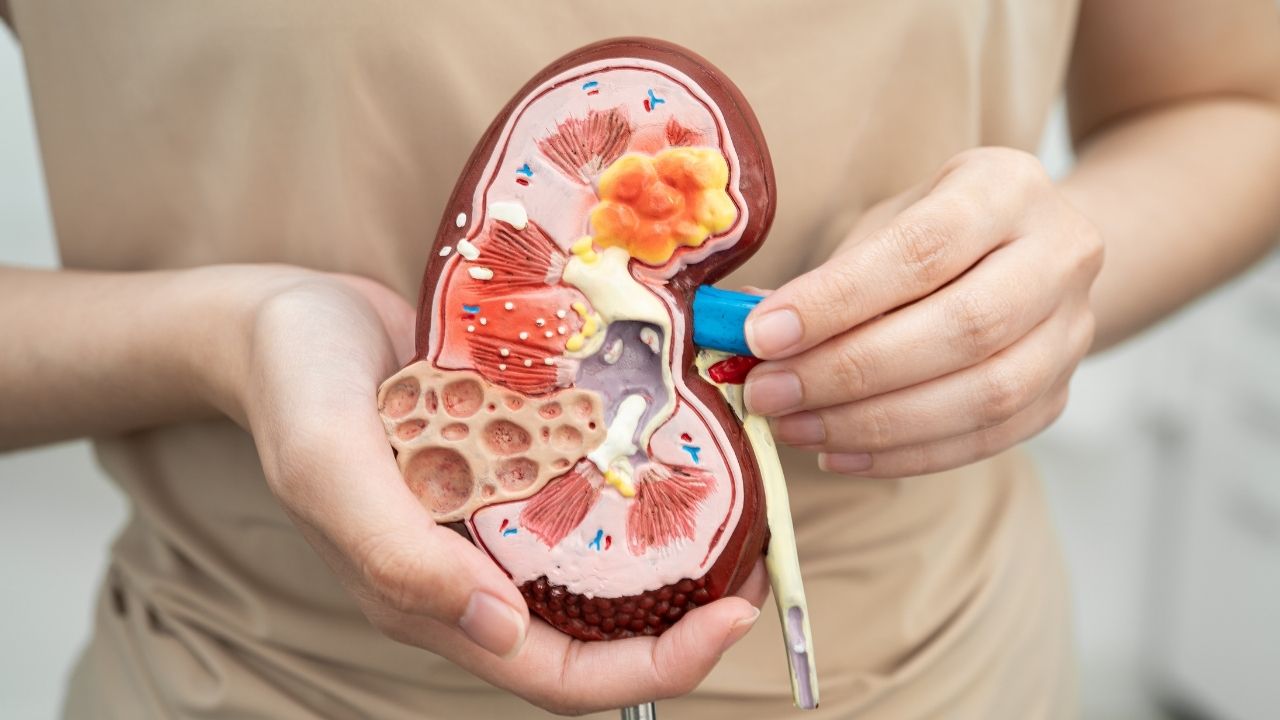
As the saying goes, prevention is better than cure. Such a proactive approach towards kidney health could help significantly reduce your risk of kidney disease and its inevitable progression to kidney failure. Important prevention tips include:
Control of Underlying Conditions : Strict control of diabetes (blood sugars) and hypertension (medications and lifestyle changes) are the heart and soul of kidney disease prevention.
Following a Healthy Diet: Being in a healthy range of weight on the balanced diet (fruits, vegetables, grains dietary comprising least of three) and daily exercise less diabetes and high blood vessel.
Eating Smart: Limiting sodium helps manage blood pressure. Simply using moderation when consuming protein and limiting processed foods can also be beneficial for maintaining kidney function.
Drinking Adequate Fluids: The kidneys filter waste products from the blood, but this process works best when you stay well-hydrated. Depends on individual factors, but broadly, 8 glasses of water a day is a good ballpark figure.
Mindful Use of Over-the-Counter Drugs: Avoid long-term use of nonsteroidal anti-inflammatory drugs and certain other medications that may harm your kidneys. Be sure to talk to your doctor before you start taking new meds, and let them know if you have existing kidney problems.
Quit Smoking: Smoking cessation is important for all aspects of health, including kidney health, because it helps to improve blood vessel health.
Reducing Alcohol Intake: Excessive alcohol can contribute to elevated blood pressure and cause damage to the kidneys.
Regular Check-ups: If you are at risk (diabetes, high blood pressure, family history), regular medical check-ups and kidney function tests are excellent tools for early detection.
Be Aware of Family History: If you have a family history of kidney disease, let your doctor know. Genetic testing and earlier screening may be suggested.
Prompt Treatment of Infections: Get prompt and complete treatment for urinary tract infections so they don’t spread to the kidneys.
Summary
Early, sometimes subtle, warning signs of declining kidney function are vital for prompt intervention. The signs are subtle and range from abnormal, persistent fatigue, dramatic changes in urination frequency (especially night urination), reduced elimination, changes in urine characteristics (frothy, turbid or bloody). Kidney damage can have many causes, with diabetes and high blood pressure among the top two, along with glomerulonephritis, polycystic kidney disease, and the effects of some medication and toxins.
Despite the basic symptoms being shared, women could be more prone to urinary tract infections as well as possible menstrual cycle and fertility effects, while men should pay attention to urinary tract issues potentially associated with prostate health and potentially to erectile dysfunction as associated features. The advanced stages of kidney failure are characterized by increasingly severe and debilitating symptoms. According to the article, proactive care is based on controlling and managing pre-existing diseases such as diabetes and hypertension, maintaining a normal and balanced lifestyle through diet and exercise, drinking enough water, avoiding medication abuse, and getting regular medical examinations to protect kidney health. Early awareness and proactive steps can make a huge difference in improving outcomes and prolonging kidney function.